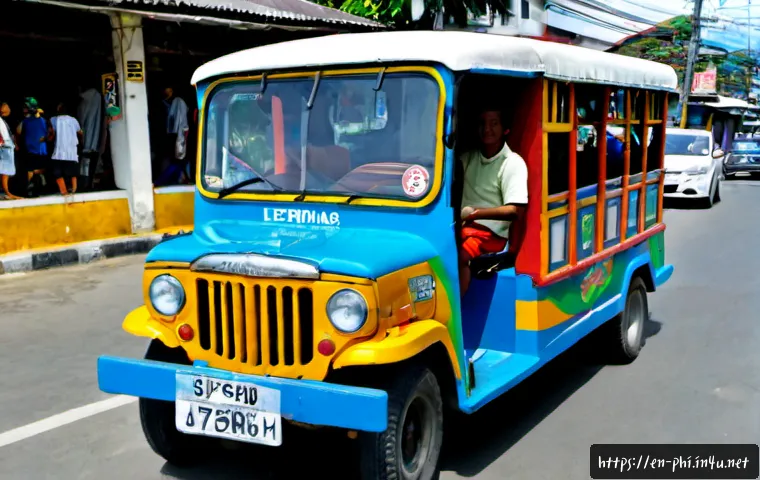
Jeepneys are a practical, low-cost choice for short daytime trips when you understand the route and are traveling light. For airport arrivals, large bags, late-night travel, or an uncertain destination, a taxi, ride-hailing car, or pre-booked private transfer is often the easier option.
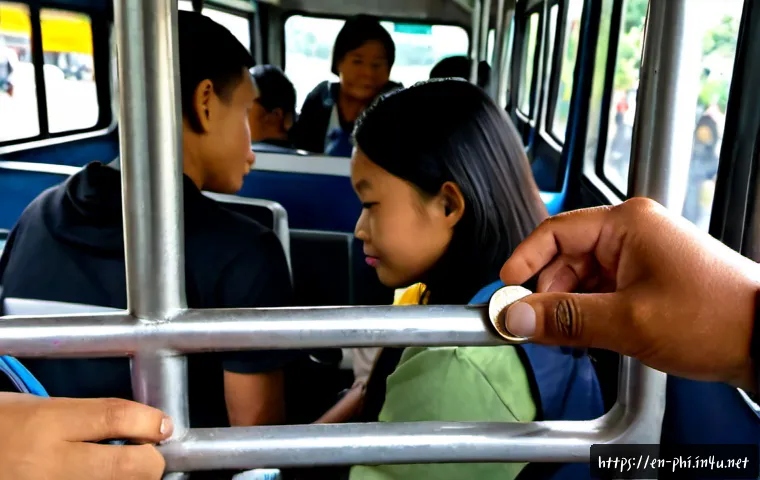
The key is to check the route placard, prepare small Philippine peso notes or coins, and confirm that the vehicle passes your stop before boarding. You can pay by passing cash forward and saying “Bayad po,” then request your stop with “Para po.”
Jeepneys offer local access and a memorable everyday travel experience, but they are not designed around fixed departure times or detailed passenger information.
A transport choice should match your luggage, confidence with local routes, arrival time, and budget.
At a Glance
- Choose a jeepney for short daytime trips on a route you understand and when you are carrying little luggage.
- Bring small Philippine peso notes and coins; passengers commonly pass payment forward while saying “Bayad po.”
- Choose ride-hailing, a taxi, or a private transfer when route certainty, luggage space, comfort, or late-arrival convenience matters more.
| Decision Factor | Jeepney | Taxi or Ride-Hailing | Private Transfer |
|---|---|---|---|
| Cost predictability | Fares vary by route, distance, city, and local rules. | Usually easier to understand before or during the trip. | Useful when you want transport arranged around an arrival or departure. |
| Route clarity | Placards show major destinations, but confirm your stop. | Better for direct destination travel. | Best when you prefer a planned pickup and destination. |
| Luggage space | Limited; best when traveling light. | More practical for bags, depending on the vehicle. | Often the simplest option for airport luggage. |
| Payment convenience | Small peso cash is helpful. | May be easier if you prefer app-based booking or direct payment. | Check the provider’s payment and pickup details before booking. |
| Best use case | Known daytime local routes and budget travel. | Unfamiliar destinations, direct rides, and flexible city travel. | Airport arrivals, hotel check-in days, and travelers carrying larger bags. |
The Quick Answer: When a Jeepney Is the Right Choice
A jeepney is a good fit when you need a short local ride, recognize the route corridor, and can travel with only a small bag. These shared public-utility vehicles are widely used for urban and suburban trips in many parts of the Philippines. They are especially practical when you are already near the route and do not need a fixed timetable.
Before boarding, look at the destination placard and ask whether the jeepney passes your intended stop. Do not assume that a familiar place name means the vehicle follows the exact road you need.
Best for Short Daytime Trips on Known Routes
Use a jeepney when you have a basic plan: you know your neighborhood, landmark, or route corridor, and you can get off close enough to walk the remaining distance. It can be a sensible budget travel option for travelers who want local access without booking a car for every short journey.
Daytime can make route checking and finding your stop easier. If traffic, weather, local regulations, or rerouting affect service, however, the actual trip may differ from what you expected.
When a Taxi, Ride-Hailing Car, or Private Transfer Is More Practical
Consider a taxi, ride-hailing service, or private airport transfer if you have heavy luggage, arrive late, are traveling in bad weather, or are unsure where you need to board. These options can also be more comfortable when you are going directly to a hotel or navigating an unfamiliar neighborhood for the first time.
A local eSIM can be useful if you expect to compare ride-hailing options, check maps, message your accommodation, or confirm pickup details. Review the available data coverage and plan conditions on the provider’s page before choosing one.
Understand Routes, Signs, and Fare Expectations Before Boarding
Jeepneys typically display route placards or signs showing major destinations or route corridors. Treat the sign as a starting point, not a guarantee that it passes your exact stop. Ask the driver or a passenger politely whether the vehicle goes by your destination or a nearby landmark.
How to Read Destination Placards and Ask About Your Stop
Look for the largest place names on the placard, then compare them with your intended direction of travel. If you are not certain, ask before getting in. A short question using your destination name is usually clearer than trying to explain a full itinerary.
Confirm first, board second. Individual routes, boarding points, final destinations, and operating hours can change. A jeepney may also be affected by traffic, weather, or local route adjustments.
Jeepney vs. Ride-Hailing vs. Taxi: Cost, Convenience, and Luggage Comparison
Jeepneys prioritize shared local transport, not door-to-door convenience. A ride-hailing car or taxi may cost more, but it can make sense when the value is in direct routing, a clearer pickup process, and space for bags. A pre-booked transfer is worth considering when an airport arrival, family travel, or hotel check-in leaves little room for route confusion.
Board, Pay, and Get Off With Confidence
The usual process is simple: confirm the route, board carefully, find a secure seat, pay in pesos, and tell the driver when you need to stop. Being calm and polite helps, particularly when the vehicle is busy.
Finding a Safe Place to Board and Taking a Seat
Board where it is safe to do so and follow the flow of local passengers. Keep your bag close rather than blocking the aisle or taking more space than necessary. If the vehicle is crowded and you are carrying valuables, stay aware of your belongings before you sit down.
Paying in Pesos, Asking for Change, and Using “Bayad po”
Passengers commonly pay with Philippine pesos by handing cash forward to the driver or passing it through other passengers. Say “Bayad po” to politely indicate that your payment is being passed forward. Keeping small notes and coins makes this process easier and reduces confusion about change.
Exact fares are not fixed across all places. They can vary by city, route length, vehicle type, and local fare rules. If you are unsure, ask before or when you board rather than relying on an old price you saw online.
Requesting Your Stop With “Para po”
When your stop is approaching, say “Para po” to request that the driver stop. Give enough notice for the driver to react safely. Since exact stopping patterns can be flexible, watch your route and do not wait until you have already passed your landmark.
Avoid Common First-Time Mistakes
Why Small Cash Matters
A large note can be inconvenient on a crowded shared vehicle. Before setting out, prepare smaller peso notes and coins if possible. This is a simple habit that makes paying, receiving change, and passing money through the vehicle more manageable.

Protecting Valuables in Crowded Vehicles
Keep your phone, wallet, passport, and other valuables secure and close to your body. Avoid displaying unnecessary valuables in a crowded setting. This is sensible travel practice, not a guarantee of safety in any specific area.
Confirming the Route Before Committing to the Ride
The most common planning error is boarding based only on a placard. Ask whether the jeepney passes your stop, especially if you are traveling beyond a major destination shown on the sign. If the answer is unclear, a ride-hailing car or taxi may be the more practical choice for that trip.
Tips for Different Travel Situations
Solo Travelers and First-Time Visitors
First-time visitors can enjoy jeepneys after starting with a simple daytime route between recognizable places. Carry small cash, keep your belongings close, and have a backup option if you cannot confidently confirm the route.
Airport Arrivals, Large Bags, and Hotel Check-In Days
A jeepney is usually less convenient when you have large bags or are arriving after a long flight. A taxi, ride-hailing booking, or pre-booked airport transfer can reduce the need to find a boarding point, handle luggage in a shared vehicle, or navigate an unfamiliar route before check-in.
Evening Travel, Bad Weather, and Unfamiliar Neighborhoods
For evening trips, poor weather, or unfamiliar areas, prioritize what gives you the most confidence in the moment. Service availability, route conditions, and neighborhood safety can vary, so check current local information and choose the transport option that feels appropriate for your situation.
Selection Criteria and Transport Comparison Summary
Choose the transport option that matches your luggage, arrival time, confidence with local routes, and budget. Pick a jeepney when affordability and local access are your main priorities. Choose a taxi or ride-hailing car when you want a more direct trip and clearer destination handling. Consider a private transfer when airport pickup, bags, or a planned arrival matters most.
Before booking a transfer, ride-hailing option, or travel eSIM, check the relevant provider page for current coverage, pickup instructions, payment terms, and service conditions.
In Closing
Riding a jeepney is straightforward once you know the basic rhythm: read the sign, confirm the route, prepare small pesos, say “Bayad po,” and use “Para po” for your stop. It is best approached as a practical local option rather than a fixed-schedule service. When the route is unclear or your travel day is complicated by luggage or timing, paying extra for a direct transport option can be a sensible trade-off.
Useful Things to Know
Carry small pesos: Small notes and coins make payment easier.
Know a nearby landmark: A major destination or recognizable point can help when confirming your route.
Keep a backup plan: Ride-hailing, taxis, and transfers are useful alternatives if the jeepney route does not match your needs.
Important Notes
Specific jeepney fares, operating hours, final destinations, boarding locations, and route conditions can change. Local traffic, weather, regulations, and rerouting may affect service. Confirm current details locally before relying on a particular jeepney for an important arrival, appointment, or onward connection.
Frequently Asked Questions
Q1. How much does it cost to ride a jeepney in the Philippines?
A1. Jeepney fares vary by city, route length, vehicle type, and local fare rules. Ask locally or check current information for the specific route, and carry small Philippine peso notes or coins for easier payment.
Q2. Is it safe for tourists to use jeepneys?
A2. Safety depends on the neighborhood, time of day, traffic conditions, crowding, and your individual situation. Use normal travel precautions, secure valuables, confirm the route before boarding, and choose a taxi, ride-hailing car, or transfer if you do not feel comfortable.
Q3. Should I take a jeepney, taxi, or ride-hailing car from the airport or with luggage?
A3. A taxi, ride-hailing car, or pre-booked transfer is generally more practical when you have large bags, are arriving late, or do not know the local route. Jeepneys are better suited to short, familiar local trips when you are traveling light.