As more expats and travelers explore the Philippines, connecting with vibrant communities becomes essential for a fulfilling experience. Korean churches here have grown into welcoming hubs, blending faith with cultural exchange and support networks.
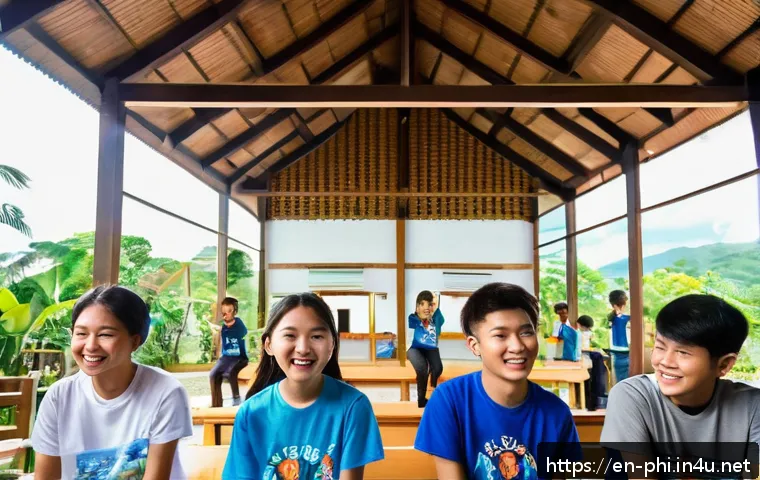
Whether you’re seeking spiritual comfort or a sense of belonging far from home, these communities offer more than just worship—they’re a lifeline. In today’s fast-changing world, finding such genuine connections can transform your stay into something truly memorable.
Let’s dive into the heart of these dynamic Korean networks and see how they enrich life in the Philippines.
Building Community Beyond Borders
Creating Safe Spaces for Shared Faith
When I first arrived in the Philippines, I found that Korean churches offered more than just Sunday services—they were like warm living rooms filled with familiar language and comforting rituals.
These churches have become sanctuaries where expats gather not only to worship but to share their joys, struggles, and hopes. It’s impressive how these communities prioritize making newcomers feel at home, whether through welcome dinners or casual meetups after service.
The spiritual connection naturally intertwines with deep cultural understanding, which helps bridge the gap of being far from family and homeland. The feeling of belonging here is very tangible, almost like having a second family that supports you through the ups and downs of living abroad.
Blending Traditions with Local Culture
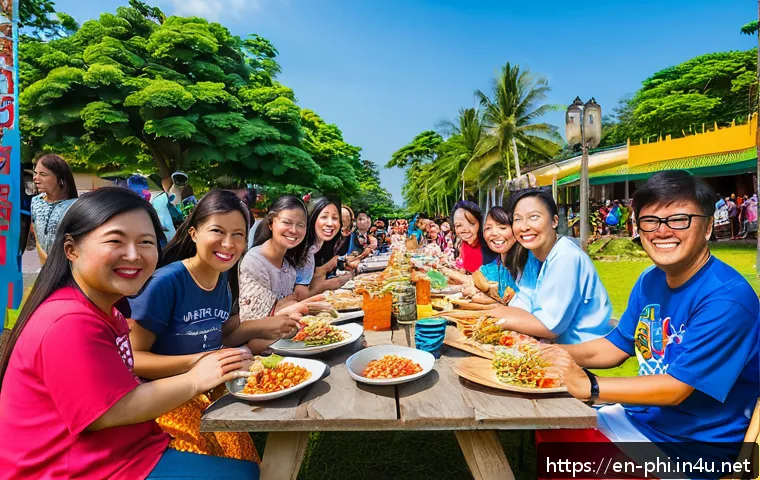
One of the aspects that caught my attention is how Korean churches actively embrace Filipino customs alongside their own traditions. For example, celebrations often include local foods and festivities, creating a vibrant mix of Korean and Filipino cultures.
This fusion not only enriches the experience but also fosters respect and appreciation among members from diverse backgrounds. It’s a two-way street where Koreans learn about Filipino values and vice versa, making the community more inclusive and dynamic.
Personally, joining these events gave me a chance to taste adobo alongside kimchi, sharing stories that highlight the beauty of cultural exchange. It’s this blend that turns a simple church gathering into a lively celebration of identity and unity.
Support Networks That Go Beyond Worship
Beyond spiritual support, these communities offer practical help that can be a lifesaver for expats. From navigating local bureaucracy to finding reliable healthcare providers, Korean churches often serve as information hubs.
I recall a friend who struggled to register his child for school, and the church community stepped in with guidance and even accompanied him to appointments.
The support extends to emotional wellness too, with counseling services and group activities designed to reduce the loneliness that can come with relocating.
This comprehensive network creates a safety net that makes adjusting to life in the Philippines less daunting and more manageable.
Engaging Youth and Families in Meaningful Ways
Youth Programs That Inspire and Connect
One of the most vibrant parts of these Korean communities is their commitment to young people. Youth programs are thoughtfully designed to combine faith education with fun, social activities.
They often organize retreats, volunteer opportunities, and cultural workshops that not only nurture spiritual growth but also build friendships that last.
I’ve noticed these programs provide a constructive outlet for kids and teenagers, helping them navigate their dual identities while making a positive impact on the local community.
Parents appreciate how these initiatives keep their children engaged and grounded in values during a time when adapting to a new country can be challenging.
Family-Centered Activities That Strengthen Bonds
For families, Korean churches offer a variety of events that bring everyone together. Family days, picnics, and holiday celebrations create moments where parents and children can relax, bond, and build lasting memories.
These gatherings often feature games, music, and communal meals that encourage interaction and connection. From personal experience, attending these events helped me feel less isolated as a parent living abroad.
It’s a chance to share parenting tips, swap stories, and support one another in raising children in a multicultural environment. This sense of community is invaluable, especially when family members are miles away.
Language and Cultural Classes for All Ages
Language barriers can be a huge hurdle when settling into a new country, and many Korean churches address this by offering classes tailored to different age groups.
Whether it’s Korean language lessons for Filipino locals or English and Tagalog classes for Korean expats, these educational programs foster mutual understanding and communication.
I remember joining a beginner’s Tagalog class and being amazed at how it broke down walls between cultures, making everyday interactions smoother and more enjoyable.
These classes are often informal and welcoming, encouraging people to learn at their own pace while forming friendships along the way.
Practical Benefits of Joining Korean Communities Abroad
Access to Trusted Resources and Services
Connecting with Korean churches in the Philippines often means gaining access to a wealth of trusted resources. From legal advice to healthcare referrals, these communities have built networks that help members navigate the complexities of living abroad.
When I needed assistance with visa paperwork, the church’s support group provided clear guidance and connected me with reliable consultants. This kind of practical help reduces stress and saves time, making everyday life smoother.
Additionally, some churches collaborate with local businesses to offer discounts or special services, adding tangible value to membership.
Building Professional and Social Networks
These communities are also fertile ground for building professional connections. Many expats find job leads, business partnerships, or mentorship opportunities through church events and social gatherings.
I personally met a few entrepreneurs who helped me understand the local market and even introduced me to potential clients. Beyond work, the friendships formed here often lead to invitations to cultural events, weekend trips, and shared celebrations.
The blend of professional and social networking within a trusted environment creates a unique support system that extends well beyond religious activities.
Volunteering and Giving Back
A meaningful aspect of these communities is their emphasis on service and giving back to the local population. Many Korean churches organize charity drives, community cleanups, and outreach programs that involve both expats and locals.
Participating in these initiatives not only helps those in need but also fosters a sense of purpose and belonging. I’ve joined a few volunteer events and found them incredibly rewarding—not just for the impact we made but for the friendships and connections built along the way.
This spirit of generosity enriches everyone involved and strengthens community ties.
How Korean Churches Adapt to the Digital Age
Online Worship and Virtual Fellowship
In recent years, especially following the global pandemic, Korean churches in the Philippines have embraced technology to stay connected. Online worship services, prayer meetings, and Bible studies have become standard, allowing members to participate even when travel or health concerns arise.
From my experience, this digital shift has made the community more accessible, particularly for those living in remote areas or with demanding schedules.
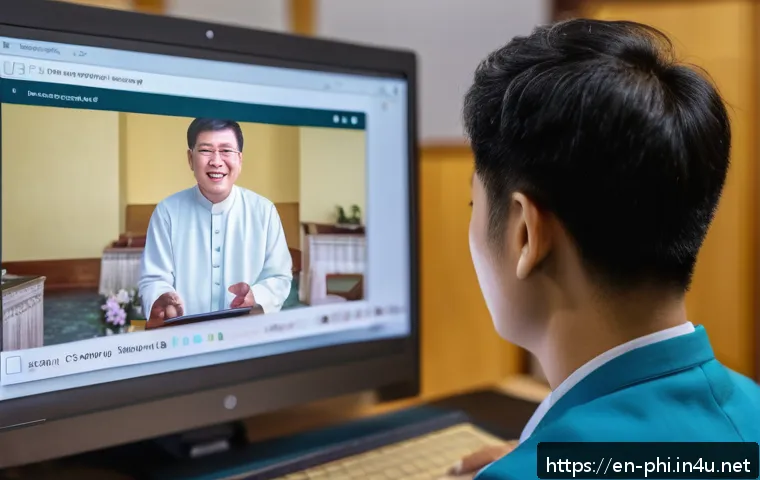
It’s impressive how seamlessly traditional faith practices have adapted to virtual platforms without losing their warmth and intimacy.
Social Media as a Tool for Engagement
Social media plays a vital role in keeping these communities vibrant and informed. Churches maintain active pages and groups where announcements, event photos, and inspirational messages are regularly shared.
This creates a continuous stream of connection and encouragement beyond physical gatherings. Personally, I’ve found that engaging with these platforms helps me stay in the loop and feel part of the community even during busy weeks.
The interactive nature of social media also allows members to ask questions, share prayer requests, and celebrate milestones together in real time.
Innovative Programs for Younger Generations
Recognizing the importance of engaging younger members, many Korean churches have launched digital initiatives tailored to tech-savvy youth. This includes virtual youth camps, interactive Bible quizzes, and live-streamed music sessions.
These programs are designed to resonate with the digital habits of younger generations while fostering spiritual growth and community spirit. I’ve seen firsthand how these creative approaches keep the youth motivated and connected, blending tradition with innovation in a way that feels relevant and exciting.
Key Features of Korean Expat Communities in the Philippines
| Feature | Description | Benefits |
|---|---|---|
| Welcoming Worship Services | Services conducted in Korean with inclusive cultural elements | Provides spiritual comfort and cultural familiarity |
| Social and Cultural Events | Regular gatherings blending Korean and Filipino traditions | Encourages cultural exchange and stronger bonds |
| Practical Support Networks | Assistance with legal, medical, and educational matters | Makes adapting to local life easier and less stressful |
| Youth and Family Programs | Activities and classes for children and parents | Supports identity development and family unity |
| Digital Engagement | Online services, social media interaction, virtual programs | Maintains connection and accessibility anytime, anywhere |
| Community Service | Volunteering and outreach initiatives involving locals and expats | Builds purpose and strengthens community ties |
Experiencing Personal Growth Through Community
Finding Emotional Resilience
Joining a Korean church community in the Philippines has been a source of emotional strength for many expats, myself included. The shared experiences of adjusting to a new country, dealing with homesickness, and facing everyday challenges create a powerful bond.
Hearing stories from others who have navigated similar paths helps build resilience and hope. It’s reassuring to know you’re not alone, and that someone understands the unique blend of excitement and struggle that comes with living abroad.
Expanding Worldviews Through Interaction
Being part of these communities encourages a broader perspective on culture and faith. Conversations often go beyond the familiar Korean context, embracing diverse viewpoints and experiences.
I’ve found that this openness enriches my understanding of both the Philippines and Korea, deepening my appreciation for cultural nuances. It’s like stepping into a global classroom where faith and friendship intersect, challenging assumptions and fostering growth.
Building Lifelong Friendships
The friendships formed within these Korean expat networks often turn into lifelong connections. Shared meals, celebrations, and challenges create memories that bind people together.
I still keep in touch with friends I met at church events years ago, and those bonds have become some of the most meaningful in my life. This sense of community goes far beyond casual acquaintance—it’s about trust, support, and genuine care that stands the test of time and distance.
Encouraging Cross-Cultural Understanding
Mutual Respect and Learning
Korean churches in the Philippines are not isolated enclaves; they actively promote respect and learning between cultures. Through joint activities and open dialogues, members gain insights into different traditions and lifestyles.
This mutual exchange helps break down stereotypes and build bridges of understanding. From my involvement, I’ve seen how these interactions encourage empathy and kindness, qualities that are essential in any multicultural setting.
Celebrating Diversity Within Unity
The beauty of these communities lies in their ability to celebrate diversity while maintaining unity in faith and purpose. Events often highlight the uniqueness of both Korean and Filipino cultures, creating a rich tapestry of traditions and values.
This celebration fosters pride and belonging, making everyone feel valued and included. Participating in multicultural worship sessions and festivals has been one of the highlights of my experience, showing how diversity can be a source of strength rather than division.
Bridging Generations and Cultures
The Korean expat communities also play a crucial role in bridging generational gaps and cultural differences. Older members often mentor younger ones, sharing wisdom and experiences that help navigate life abroad.
At the same time, younger members introduce fresh ideas and perspectives that keep the community vibrant and forward-looking. This intergenerational exchange enriches everyone involved and ensures the community remains relevant and connected to changing times.
Closing Thoughts
Being part of Korean expat communities in the Philippines offers more than just a place to worship—it creates a true sense of belonging and support. These communities beautifully blend faith, culture, and practical assistance to help members thrive abroad. From heartfelt connections to meaningful activities, the experience enriches both personal growth and cross-cultural understanding. It’s clear that such communities play a vital role in making life overseas feel like home.
Helpful Information to Know
1. Korean churches often serve as vital hubs offering not only spiritual support but also practical help like legal advice and healthcare guidance.
2. Youth and family programs are designed to nurture identity and community bonds while providing fun and educational experiences.
3. Many communities embrace local culture by blending Korean traditions with Filipino customs, fostering inclusivity and mutual respect.
4. Digital platforms have become essential tools for maintaining connection through online worship, social media engagement, and virtual youth activities.
5. Volunteering opportunities within these communities offer rewarding ways to give back and build meaningful relationships with locals and expats alike.
Key Takeaways
Joining Korean expat communities abroad provides a comprehensive support system that addresses spiritual, cultural, emotional, and practical needs. These communities foster a welcoming environment that helps newcomers adjust smoothly while preserving cultural identity. Through intergenerational exchange and digital innovation, they remain relevant and engaging for all members. Ultimately, the blend of faith, friendship, and cultural exchange creates a strong foundation for personal and communal growth in a foreign land.
Frequently Asked Questions (FAQ) 📖
Q: What makes Korean churches in the Philippines unique compared to other expat communities?
A: Korean churches here aren’t just places for worship—they double as vibrant cultural hubs where you can meet people who share your language, traditions, and values.
From my experience, they offer a warm, family-like atmosphere that’s hard to find elsewhere. Beyond Sunday services, these communities organize social events, language exchange sessions, and even support groups for newcomers.
This blend of faith and cultural connection helps ease the challenges of living abroad and creates lasting friendships.
Q: How can joining a Korean church in the Philippines enhance my overall experience as an expat or traveler?
A: Joining a Korean church can truly transform your stay by providing a strong sense of belonging. When I first arrived, I felt isolated, but connecting with a church community helped me feel grounded and supported.
These groups often offer practical help, like advice on local customs, housing tips, and even job leads. Plus, the social activities make it easier to build a network and feel part of something bigger than just a temporary visit.
Q: Are Korean churches in the Philippines open to non-Koreans who want to join?
A: Absolutely! Many Korean churches welcome people from all backgrounds who are interested in learning about Korean culture or seeking a supportive community.
While services might be primarily in Korean, some churches offer English translations or bilingual programs. I’ve seen plenty of non-Korean attendees feel right at home, especially when they participate in cultural events or volunteer activities.
It’s a great way to broaden your horizons while enjoying a friendly, inclusive environment.