Ah, the Philippines! A place that often brings to mind stunning beaches and vibrant culture, but did you know it’s also rapidly becoming a go-to destination for international students seeking quality education without the hefty price tag?
Over the past few years, I’ve seen a massive surge in interest, and honestly, it’s not hard to see why. Many students, just like you, are discovering that pursuing a degree here offers an incredible blend of academic rigor, an English-speaking environment, and a truly unforgettable life experience.
It’s a journey that combines world-class learning with exploring a tropical paradise, offering so much more than just textbooks and lectures. From bustling Manila to the more laid-back vibes of Cebu, the opportunities for growth, both academically and personally, are immense.
So, if you’ve ever dreamt of expanding your horizons, immersing yourself in a new culture, and earning a respected qualification, then listen up. I’m excited to share some insider insights I’ve gathered, from the top universities and their programs to navigating student life and even the unique cultural quirks that make studying in the Philippines an adventure of a lifetime.
Let’s dive deep into everything you need to know to make your dream of studying in the Philippines a reality. Ah, the Philippines! A place that often brings to mind stunning beaches and vibrant culture, but did you know it’s also rapidly becoming a go-to destination for international students seeking quality education without the hefty price tag?
Over the past few years, I’ve seen a massive surge in interest, and honestly, it’s not hard to see why. Many students, just like you, are discovering that pursuing a degree here offers an incredible blend of academic rigor, an English-speaking environment, and a truly unforgettable life experience.
It’s a journey that combines world-class learning with exploring a tropical paradise, offering so much more than just textbooks and lectures. From bustling Manila to the more laid-back vibes of Cebu, the opportunities for growth, both academically and personally, are immense.
The number of international students in the Philippines saw a significant 57.4% increase in 2022 compared to the previous five years, highlighting its growing appeal.
This trend is expected to continue, with the Philippines becoming an even more attractive and trendy educational destination by 2025 due to its affordability and cultural richness.
So, if you’ve ever dreamt of expanding your horizons, immersing yourself in a new culture, and earning a respected qualification, then listen up. I’m excited to share some insider insights I’ve gathered, from the top universities and their programs to navigating student life and even the unique cultural quirks that make studying in the Philippines an adventure of a lifetime.
The country boasts universities like the University of the Philippines, Ateneo de Manila University, and De La Salle University, which are globally recognized for comprehensive programs, particularly in healthcare, engineering, and business management.
Living costs are also remarkably affordable, with average monthly expenses ranging from PHP 25,000 to PHP 60,000 (USD 450–1,050) depending on the city and lifestyle, making it one of the most budget-friendly options in Asia.
Let’s dive deep into everything you need to know to make your dream of studying in the Philippines a reality.
Unlocking Academic Excellence: Top Filipino Institutions & Programs
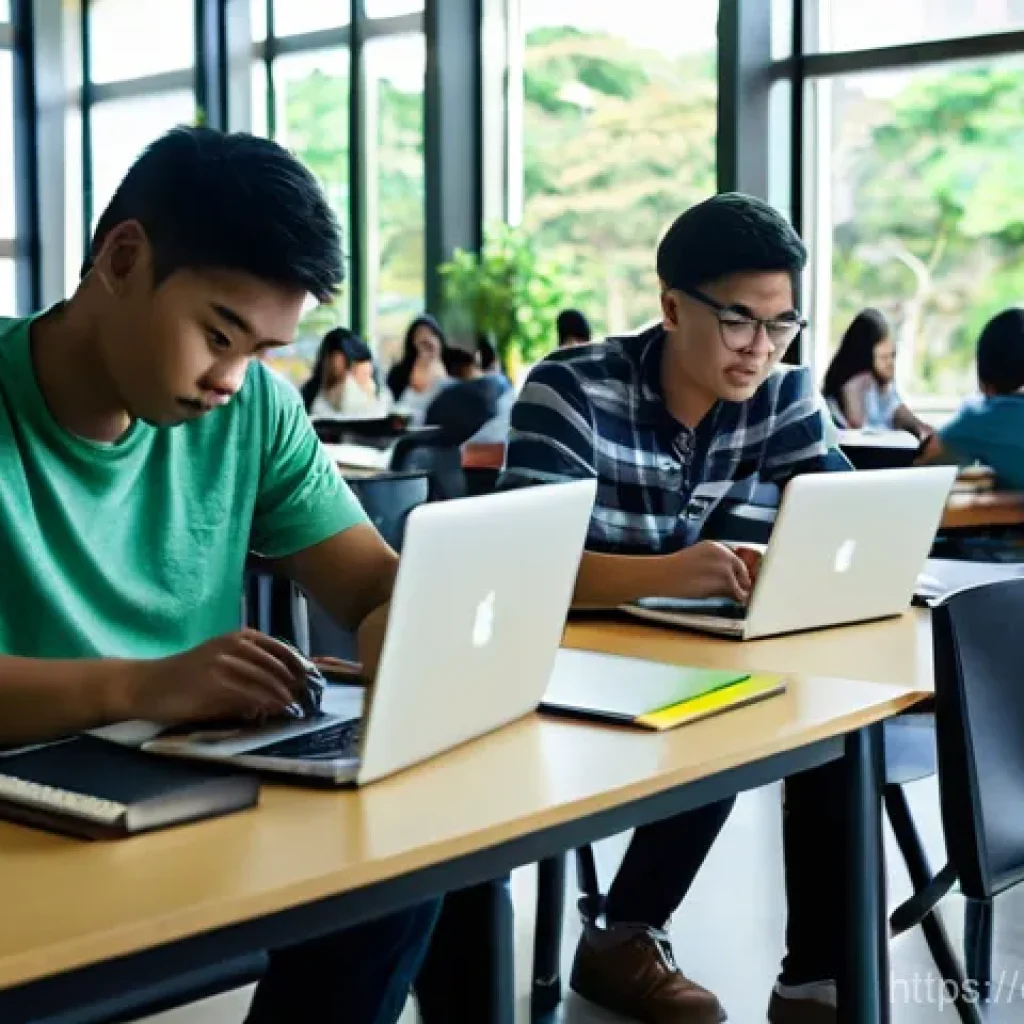
When I first started looking into study destinations, the Philippines wasn’t immediately on my radar, but boy, am I glad it found its way there! What truly surprised me, and what I’ve personally seen benefit countless students, is the incredible caliber of education available. We’re talking about universities that consistently rank among the best in Asia, providing a learning environment that’s both challenging and incredibly supportive. It’s not just about the big names; it’s about the dedicated faculty, the up-to-date curricula, and the genuine commitment to student success that permeates these institutions. From my conversations with former students, the consistent message is clear: they felt well-prepared for their careers and gained a truly global perspective. It’s an experience that offers a fantastic return on investment, not just financially, but in terms of personal growth and academic achievement. I mean, who wouldn’t want to learn in a country where English is widely spoken and higher education standards are impressively high? It truly bridges the gap between quality and affordability, a sweet spot that’s increasingly hard to find these days.
Spotlighting the Titans: Universities Leading the Way
Alright, let’s talk about some of the rockstar institutions that are really making waves. You’ve probably heard of the University of the Philippines (UP) – it’s often considered the national university and has a reputation for academic rigor that’s second to none. I’ve met a few alumni from UP, and their pride in their alma mater is palpable. They often talk about the vibrant intellectual atmosphere and the sheer diversity of thought you encounter there. Then there’s Ateneo de Manila University, which offers a more liberal arts-focused approach with a strong emphasis on critical thinking and social justice. Their campus has such a beautiful, calming vibe, which I always appreciate when trying to focus on my studies. And let’s not forget De La Salle University, particularly renowned for its engineering and business programs. I remember one student telling me how the practical, hands-on approach at De La Salle really helped them land a great internship. These aren’t just names; they are institutions with a rich history, a strong commitment to research, and an undeniable impact on both local and international communities. They consistently strive to meet global educational standards, which means your degree will hold significant weight wherever your career takes you. It’s reassuring to know you’re investing your time and effort into a place that’s genuinely respected.
Diverse Fields, World-Class Education: What to Study
Now, let’s get into the nitty-gritty of what you can actually study. The beauty of the Philippine education system is its breadth and depth. While many immediately think of medical programs, which are indeed excellent and attract students globally, there’s so much more on offer. For instance, the business and management programs are incredibly strong, often incorporating case studies relevant to the thriving Asian market, which gives you a distinct edge. I’ve personally seen students thrive in their IT and engineering degrees, benefiting from state-of-the-art facilities and faculty who are often industry practitioners. If you’re into the arts and humanities, you’ll find vibrant programs that explore the rich cultural tapestry of Southeast Asia and beyond. And for those passionate about public health or sustainable development, the unique context of the Philippines provides an invaluable living laboratory. What’s really cool is how many universities are integrating practical experience into their curricula, meaning you’re not just learning theory, but actively applying it. This hands-on approach is, in my opinion, what truly sets these programs apart and prepares you for the real world. It’s about more than just getting a degree; it’s about gaining skills and experiences that make you truly employable and adaptable.
Navigating Student Life: Beyond the Books in the Philippines
Stepping into student life in the Philippines is like unlocking a whole new level in a video game – exciting, a little challenging, and full of unexpected adventures. I often tell people that it’s not just about what you learn in the classroom, but everything you experience outside of it that truly shapes your journey. From the moment you land, you’ll feel this incredible warmth from the locals, a hospitality that makes adjusting to a new environment so much smoother. I’ve had countless conversations with students who initially worried about culture shock but quickly found themselves embraced by their new community. The campuses themselves are buzzing hubs of activity, not just academically, but socially. Think about it: you’re surrounded by students from all corners of the globe, all with unique perspectives and stories to share. This multicultural melting pot creates an incredibly enriching environment where you’re constantly learning, not just from your professors, but from your peers. It’s a place where friendships blossom quickly, often over a shared meal or a late-night study session, and these connections often last a lifetime. Trust me, the memories you make outside of lectures will be just as vivid and impactful as anything you learn from a textbook.
From Campus to City: A Day in the Life of an International Student
So, what does a typical day actually look like? Well, it’s rarely ‘typical,’ and that’s the best part! Mornings might start with a grab-and-go breakfast from a local bakery, maybe some pandesal (a delicious Filipino bread roll) with coffee, before heading to your classes. Campuses are usually well-equipped with libraries, study areas, and often vibrant canteens where you can grab an affordable lunch. After classes, this is where the fun really begins. You might join a study group at a local café, exploring the neighborhood’s hidden gems, or perhaps head to a university club meeting. I’ve seen students balance rigorous coursework with incredible extracurriculars, from volunteering to sports leagues. Weekends are prime time for exploration. Imagine a Friday evening spent at a lively night market, sampling street food, or a Saturday day trip to a nearby beach for some much-needed relaxation. Living in cities like Manila or Cebu means you have access to everything: modern malls, historical sites, incredible dining, and vibrant arts scenes. But even in smaller university towns, there’s a strong sense of community and plenty of local spots to discover. It’s an immersive experience where every day presents an opportunity to learn something new about the Philippines and yourself.
Finding Your Tribe: Student Organizations & Social Scene
One of the easiest and most rewarding ways to feel at home is by diving into the student social scene. Universities in the Philippines are brimming with student organizations catering to every interest imaginable. Whether you’re into debate, dance, environmental advocacy, or a specific academic field, there’s almost certainly a group for you. Joining these clubs isn’t just about having fun; it’s an incredible way to build your network, make lasting friendships, and even pick up new skills. I’ve seen international students find their niche in cultural exchange programs, teaching their peers about their home countries while learning about Filipino traditions. There are also numerous sports clubs, from basketball (a national obsession!) to volleyball, which offer a fantastic way to stay active and bond with teammates. Beyond organized activities, the general social atmosphere is incredibly friendly and open. Filipinos are known for their warmth and hospitality, and you’ll find it easy to strike up conversations and form connections with both local and international students. Don’t be surprised if you get invited to a weekend gathering or a family fiesta – these are some of the most genuine and heartwarming experiences you can have, truly making you feel like part of the community. It’s all about putting yourself out there and embracing the open-hearted spirit of the Philippines.
Budgeting Like a Pro: Making Your Money Go Further
Let’s be real, when considering studying abroad, the cost is often the biggest elephant in the room. But here’s where the Philippines truly shines! From my perspective, one of the most compelling reasons to choose this beautiful country is the sheer affordability without compromising on quality of life or education. I’ve heard countless stories from students who’ve been able to live comfortably, travel, and even save a little, all while pursuing their dreams. Compared to many Western countries, or even some other Asian hubs, your money stretches remarkably far here. This means you can focus more on your studies and experiences, rather than constantly stressing about your bank balance. Tuition fees are generally significantly lower, and the cost of living, from rent to daily essentials, is incredibly budget-friendly. It’s about smart choices and understanding the local economy, which, frankly, isn’t hard to do here. I always advise prospective students to create a detailed budget, but they’re often pleasantly surprised by how much further their funds can go, allowing for a richer, less stressful experience overall. It’s a game-changer for those who dream of international education but are held back by financial constraints, offering a genuinely accessible pathway.
Accommodation Hacks: Where to Live and What to Expect
Finding a place to live is usually one of the first big hurdles, right? But fear not, the Philippines offers a fantastic range of accommodation options that cater to different budgets and preferences. Most universities will have their own dormitories or affiliated housing, which can be a great starting point, especially for your first year. These are often convenient, safe, and a fantastic way to meet other students instantly. Beyond campus, you’ll find plenty of apartments or rooms for rent, especially in student-heavy areas. I’ve had friends who opted for shared apartments to split costs, which is a brilliant hack for saving money and building community. Prices can vary widely depending on the city and the type of accommodation. For example, a shared room in a Manila dorm might cost you around PHP 5,000-8,000 per month, while a private studio apartment could range from PHP 10,000-20,000 or more, especially in prime locations. Outside of major cities, these prices drop even further. Always make sure to factor in utilities like electricity and water, and if you’re looking at private rentals, try to find places that are accessible via public transport or a short commute to campus. My personal tip? Start your search early, use reputable real estate platforms or university housing boards, and if possible, try to view places in person or via video call before committing. It really gives you peace of mind.
Daily Expenses Decoded: Savvy Spending Tips
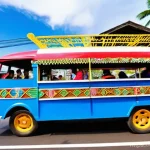
So, what about day-to-day living? This is where your budgeting skills will really shine. Food, for instance, is incredibly affordable and delicious. Eating at local eateries or university canteens can cost you as little as PHP 100-200 per meal. If you prefer cooking your own meals, fresh produce and groceries are also reasonably priced. Transportation is another area where you can save a lot. Jeepneys and tricycles are iconic, budget-friendly ways to get around, often costing just PHP 10-30 for a ride. Ride-sharing apps like Grab are also widely available and still more affordable than taxis in many Western cities. Entertainment and leisure activities are also quite budget-friendly. A cinema ticket might be around PHP 250-300, and exploring historical sites or natural wonders usually involves minimal entrance fees. When I lived there, I found that being mindful of where locals ate and shopped really helped me save money and get an authentic experience. Also, always keep an eye out for student discounts! It’s surprising how much you can save on everything from museum entries to bus fares. Below is a quick breakdown to give you a clearer picture of potential monthly expenses, but remember these are averages and your mileage may vary!
| Expense Category | Estimated Monthly Cost (PHP) | Estimated Monthly Cost (USD) |
|---|---|---|
| Accommodation (shared) | 5,000 – 15,000 | 90 – 270 |
| Food (eating out/cooking) | 8,000 – 15,000 | 145 – 270 |
| Transportation | 1,000 – 3,000 | 18 – 55 |
| Utilities (electricity, water, internet) | 2,000 – 5,000 | 35 – 90 |
| Personal Care & Miscellaneous | 2,000 – 5,000 | 35 – 90 |
| Total Estimated Monthly | 18,000 – 43,000 | 325 – 775 |
Embracing the Culture: A Taste of Filipino Life
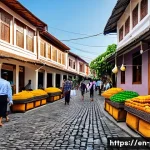
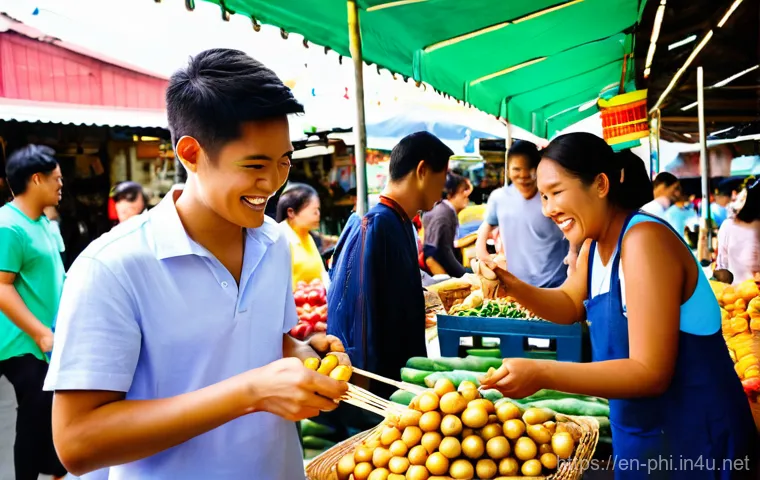
Imagine this: you’re walking through a bustling street market, the aroma of grilled street food fills the air, and vibrant colors of fresh fruits and handmade crafts surround you. That’s just a tiny glimpse into the rich tapestry of Filipino culture that awaits you. What I’ve found to be truly captivating is the incredible warmth and generosity of the Filipino people. They are incredibly welcoming, often going out of their way to make you feel at home. This isn’t just polite; it’s a deep-seated cultural value known as ‘pakikisama’ – a sense of communal harmony and mutual respect. I’ve personally experienced this countless times, from friendly store owners offering a helping hand to classmates inviting me to family gatherings. It’s an immersive experience that goes beyond simply observing; you truly become a part of it. Learning a few basic Tagalog phrases, even just ‘Salamat po’ (thank you), can open so many doors and lead to even more genuine interactions. This cultural immersion isn’t just a side benefit of studying here; it’s an integral part of the experience, offering invaluable lessons in adaptability, empathy, and global understanding that you simply can’t get from a textbook. It’s about expanding your worldview in the most beautiful and authentic way.
Food Adventures: A Culinary Journey
Oh, the food! If you’re a foodie like me, you are in for an absolute treat. Filipino cuisine is a delicious fusion of influences from Malay, Chinese, Spanish, and American cultures, resulting in a unique and incredibly diverse culinary landscape. Forget everything you think you know about Southeast Asian food – this is different, and in the best way possible! You absolutely *have* to try Adobo, often hailed as the national dish, with its perfect balance of soy sauce, vinegar, garlic, and peppercorns. It’s a comfort food staple that will quickly become your go-to. Then there’s Sinigang, a sour and savory soup that’s incredibly refreshing, especially on a warm day. And for something truly unique, don’t miss out on Lechon, a whole roasted pig with incredibly crispy skin – often reserved for special occasions, but if you get a chance, seize it! Street food is also a huge part of the experience, and it’s incredibly affordable. Think about indulging in kwek-kwek (quail eggs battered and deep-fried), or the ever-popular fishballs and squidballs on a stick. Trying these local delicacies isn’t just about satisfying your hunger; it’s a fantastic way to connect with the local culture and share experiences with friends. My advice? Be adventurous! Your taste buds will thank you, and you’ll collect some truly memorable culinary stories along the way.
Festivals & Traditions: Diving into Local Customs

One of the most vibrant aspects of Filipino life is its rich tradition of festivals, or ‘fiestas.’ These aren’t just small gatherings; they are spectacular, colorful celebrations that showcase the heart and soul of Filipino communities. Attending a fiesta is an absolute must-do during your time here. Imagine the Sinulog Festival in Cebu, a massive religious and cultural celebration with street dancing, parades, and incredibly elaborate costumes – the energy is absolutely infectious! Or the Ati-Atihan Festival in Kalibo, known for its tribal dances and painted faces. Beyond the big festivals, you’ll find smaller, local celebrations happening year-round, often honoring patron saints or celebrating bountiful harvests. These are wonderful opportunities to see the community spirit firsthand, enjoy local music, dance, and, of course, feast on delicious food. Filipinos also have deeply ingrained customs that you’ll quickly become familiar with, like the ‘mano po’ gesture, where younger people take the hand of an elder and press it to their forehead as a sign of respect. Understanding and participating in these traditions not only enriches your experience but also shows your appreciation for the local culture, building bridges and making your time in the Philippines even more meaningful. It’s a chance to truly immerse yourself, beyond what any guidebook could ever tell you.
Seamless Transitions: Visa & Application Essentials
Okay, let’s talk practicalities because, let’s face it, administrative hurdles can sometimes feel like the biggest challenge when planning to study abroad. But don’t let that deter you! From my experience, the process for international students looking to study in the Philippines is quite straightforward, provided you’re organized and follow the steps carefully. The key here is preparation and attention to detail. I’ve seen students get bogged down simply because they didn’t have all their documents in order, so consider this your friendly nudge to get everything lined up! It’s all about understanding what’s required, from academic transcripts to financial proofs, and then systematically ticking off each item on your checklist. While it might seem a bit daunting at first glance, remember that thousands of international students navigate this process successfully every year, and you absolutely can too. The universities often have dedicated international student offices that are incredibly helpful and can guide you through each stage. Don’t hesitate to reach out to them – they’re there to assist, and their insights can be invaluable in making your transition as smooth as possible. It’s truly about breaking it down into manageable steps and not getting overwhelmed by the entirety of the process.
Decoding the Visa Process: Your Essential Checklist
Getting your student visa squared away is probably the most crucial step after getting accepted. Generally, you’ll need to apply for a student visa (9(f) visa) at the Philippine embassy or consulate in your home country. What do you need? A letter of acceptance from your chosen university is paramount, along with your valid passport, a visa application form, and several passport-sized photos. You’ll also typically need a medical certificate to prove you’re in good health, and a police clearance or good conduct certificate from your home country. Financial proof is also essential – you need to show you have the means to support yourself during your studies. This might involve bank statements or a notarized affidavit of support. It’s super important to check the specific requirements of the Philippine embassy in *your* country, as there can be slight variations. And here’s a pro tip: start this process well in advance! Visa processing times can vary, and you don’t want any last-minute stress. My experience tells me that giving yourself at least three to four months before your intended departure date is a really good buffer. Staying organized with a dedicated folder for all your documents will save you a lot of headaches, trust me on this one!
Application Secrets: Getting Your Foot in the Door
Once you’ve shortlisted your dream universities, the application process itself is your next mission. Most universities will require academic transcripts from your previous education, often translated into English and notarized. You’ll likely need to provide proof of English proficiency, such as IELTS or TOEFL scores, although some universities might waive this if your previous education was conducted entirely in English. Beyond the standard documents, many institutions will ask for an essay or a statement of purpose – this is your chance to really shine! Use it to explain why you want to study in the Philippines, why you chose *their* particular program, and what you hope to achieve. Think of it as telling your story and demonstrating your genuine interest and motivation. Recommendation letters from former teachers or employers can also significantly strengthen your application. Each university will have its own specific application portal and deadlines, so meticulously checking their international admissions section is non-negotiable. Don’t be afraid to reach out to the admissions office with any questions; their job is to help you! I’ve seen countless students successfully navigate this, and with a bit of diligence and timely submission, you’ll be well on your way to receiving that coveted acceptance letter. It’s all about making a strong, well-prepared case for yourself.
Career Prospects: What’s Next After Graduation?
So, you’ve put in the hard work, earned your degree from a reputable Philippine university, and now the big question looms: what’s next? This is where your international education truly starts to pay off. What I’ve observed firsthand is that a degree from the Philippines isn’t just a piece of paper; it’s a globally recognized qualification that opens doors, both within the country and across international borders. The exposure to diverse cultures, the English-speaking academic environment, and the practical skills you gain all contribute to making you a highly competitive candidate in the job market. Employers today are increasingly looking for graduates who possess not only academic knowledge but also adaptability, cross-cultural communication skills, and a global perspective – all of which you’ll cultivate during your time in the Philippines. I’ve seen many graduates leverage their unique experience to land roles they truly love, whether it’s in multinational corporations, non-profit organizations, or even starting their own ventures. It’s an investment in your future that yields significant returns, equipping you with a distinct advantage in a crowded global job market. The network you build while studying, both with your peers and faculty, will also become an invaluable resource as you embark on your career journey.
Local Opportunities: Building a Career in the Philippines
For those who fall in love with the Philippines (and trust me, it happens a lot!) and wish to stay post-graduation, there are definitely opportunities to explore. The Philippine economy is growing, particularly in sectors like IT-BPM (Information Technology and Business Process Management), healthcare, and tourism. With your local knowledge, English proficiency, and an understanding of the local work culture, you’ll find yourself with a unique advantage. Many multinational companies have significant operations here, and they often value candidates with international experience and a grasp of the local context. I’ve heard inspiring stories of graduates finding roles in global corporations or even contributing to local start-ups, using their skills to make a real impact. Networking, as always, is key here. Attending career fairs, connecting with alumni, and leveraging professional platforms like LinkedIn can open up numerous pathways. While the job market can be competitive, your international background coupled with a Philippine degree makes you a standout candidate, particularly for roles that require cross-cultural understanding or engagement with international clients. It’s not just about finding a job; it’s about finding a career that resonates with your passion and allows you to continue experiencing the vibrant Filipino lifestyle.
Global Recognition: Philippine Degrees on the World Stage
If your sights are set beyond the Philippine borders, rest assured that your degree holds significant weight internationally. Philippine universities adhere to global standards, and their programs are designed to be competitive on a worldwide scale. This means that whether you plan to pursue further studies for a master’s or Ph.D., or jump straight into the global workforce, your qualification will be recognized and respected. Many graduates successfully secure positions in countries across North America, Europe, Australia, and the Middle East, particularly in fields like healthcare, engineering, and business. The fact that English is the primary medium of instruction in higher education is a massive advantage, ensuring that your communication skills are perfectly aligned with international professional environments. Employers appreciate the resilience and adaptability that comes from studying abroad, and a degree from the Philippines demonstrates precisely that. It’s not just about the academic knowledge; it’s about the holistic development – the problem-solving skills, the independence, and the global outlook you cultivate. This makes you a truly global citizen, ready to take on challenges and contribute meaningfully in any corner of the world. Your time in the Philippines becomes a powerful story on your resume, showcasing your courage and capability.
Wrapping Up My Thoughts
And there you have it, folks! My comprehensive rundown on why the Philippines truly stands out as an incredible destination for international students. I genuinely hope this guide helps clarify some of the questions you might have had and perhaps even sparked a bit of excitement about the possibilities awaiting you. From the world-class education offered by institutions like UP, Ateneo, and De La Salle, to the vibrant cultural immersion and the remarkably affordable cost of living, it’s an experience that offers unparalleled value. I’ve personally seen students transform their lives here, gaining not just a degree, but a global perspective and a network of friends that lasts a lifetime. It’s an adventure that builds resilience, broadens horizons, and truly prepares you for an interconnected world. Trust me, embracing this journey could be one of the most rewarding decisions you ever make!
Handy Tips You’ll Be Glad to Know
1. Learn a Few Basic Phrases: While English is widely spoken, making an effort to learn simple Tagalog phrases like “Salamat po” (thank you) or “Magandang araw” (good day) will open doors and show respect, leading to richer local interactions. Locals genuinely appreciate the effort!
2. Master Public Transportation: Get familiar with local transport like jeepneys, tricycles, and ride-sharing apps like Grab. They are incredibly affordable and an authentic way to navigate cities. It might seem daunting at first, but you’ll quickly get the hang of it and save a ton on travel costs.
3. Embrace the Food Scene: Don’t stick to what you know! Dive deep into Filipino cuisine. Street food is safe, delicious, and budget-friendly. Ask locals for their favorite spots – you’ll discover hidden culinary gems that make for unforgettable experiences.
4. Network Actively: Universities in the Philippines have diverse student bodies and plenty of organizations. Join clubs, attend events, and connect with both local and international students. The friendships and professional contacts you build here will be invaluable for your personal and career growth.
5. Stay Hydrated and Sun-Safe: The Philippines has a tropical climate, which means it can get quite warm. Always carry water, use sunscreen, and wear appropriate clothing, especially when exploring. Staying comfortable will help you enjoy all the beauty the country has to offer without feeling rundown.
Your Essential Summary
Studying in the Philippines offers a unique blend of high-quality, internationally recognized education and an incredibly rich cultural experience, all at a surprisingly affordable cost. With top-tier universities, a diverse range of programs, a vibrant student life, and a welcoming local community, it’s a destination that genuinely fosters personal growth and academic excellence. The practical skills and global perspective you gain here will significantly enhance your career prospects, whether you aim to work locally or internationally. It’s a journey that promises not just a degree, but a lifetime of invaluable memories and connections.
Frequently Asked Questions (FAQ) 📖
Q: What are the top universities in the Philippines, and what kind of programs are they best known for?
A: Oh, this is such a fantastic question, and one I get all the time! From my chats with countless students and seeing the career paths they’ve taken, I can confidently tell you that the Philippines has some truly incredible institutions.
When people ask me for the “best,” a few names always come to mind. The University of the Philippines (UP) is consistently at the top; it’s practically legendary for its comprehensive programs across almost every field you can imagine, from medicine and law to engineering and the arts.
I’ve heard amazing stories from their alumni! Then there’s Ateneo de Manila University and De La Salle University, both located in vibrant Manila. These two are powerhouses, particularly celebrated for their business management, engineering, and communication programs.
I’ve personally seen how their graduates hit the ground running in the corporate world, both locally and internationally. For those interested in healthcare, especially nursing and medicine, universities like the University of Santo Tomas also shine brightly.
What I really appreciate is that many of these universities also have strong research initiatives, meaning you’re not just learning from textbooks but contributing to real-world knowledge.
It’s truly a diverse academic landscape, offering something for everyone, whether you’re aiming for a high-flying corporate career or a path in public service.
Q: How much should I budget for tuition and living expenses as an international student in the Philippines? Is it really that affordable?
A: You bet it is! This is usually the deal-breaker for many students, and frankly, it’s where the Philippines truly shines. I’ve helped so many students realize their dream of studying abroad precisely because of the cost-effectiveness here.
Tuition fees are, on average, significantly lower than in many Western countries, or even other popular Asian destinations. For most undergraduate programs at reputable private universities, you could be looking at anywhere from PHP 40,000 to PHP 100,000 per semester, which is roughly USD 700 to USD 1,700.
Of course, this varies greatly depending on the program and the institution, with medical courses often being higher. Now, for living expenses, this is where you really save!
I’ve seen students live comfortably on PHP 25,000 to PHP 40,000 (about USD 450-700) a month, especially outside of central Manila. This covers rent for a decent apartment (sometimes shared with friends, which is a common and fun way to save!), delicious local food, transportation, and a bit for personal spending.
In Manila, it might be closer to PHP 40,000 to PHP 60,000 (USD 700-1,050) if you want a bit more wiggle room or prefer a trendier area. My advice? Embrace local markets for groceries and “carinderias” (small local eateries) for meals – you’ll eat like a king for a fraction of the price!
It’s genuinely one of the most budget-friendly options out there without compromising on the quality of your education or life experience.
Q: What’s student life like for international students, and do I need to learn Tagalog to get by?
A: Oh, student life in the Philippines is an absolute blast, seriously! It’s not just about hitting the books; it’s a vibrant, colorful adventure. From what I’ve heard directly from students and seen myself, you’ll find campuses buzzing with activities, clubs, and organizations.
Filipinos are incredibly welcoming and warm, so making friends is genuinely easy. You’ll likely find yourself invited to weekend beach trips, mountain hikes, or just chilling at a local café with new friends in no time.
Socializing is a big part of the culture here, and I absolutely love that! Now, about the language – this is fantastic news for English speakers: you absolutely do NOT need to learn Tagalog to get by.
English is one of the official languages, widely spoken, and the primary medium of instruction in universities. Most Filipinos are fluent, especially in urban areas and among younger generations, so communication is rarely an issue.
However, picking up a few basic Tagalog phrases like “Salamat” (Thank you) or “Kumusta ka?” (How are you?) will definitely earn you huge smiles and endear you to the locals.
It shows you’re making an effort, and that’s always appreciated! It truly makes the integration process incredibly smooth, letting you focus more on your studies and enjoying the incredible cultural immersion.