Hey fellow adventurers! Ever dreamt of diving deep into the vibrant culture of the Philippines, but wondered how to truly navigate its bustling streets and stunning islands like a local?
I totally get it – my first few rides here were a real learning curve, from hopping on a colorful jeepney to hailing a tricycle, but trust me, that’s where the most authentic experiences truly begin!
You’re about to discover how easy and exciting it can be to explore this incredible archipelago, saving your precious travel budget while soaking in the genuine rhythm of Filipino life.
Ready to master the art of Philippine public transport? Let’s dive in and unlock all the insider secrets right now!
Riding the Rainbow: My First Thrills on Jeepneys and Tricycles
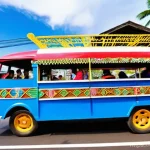
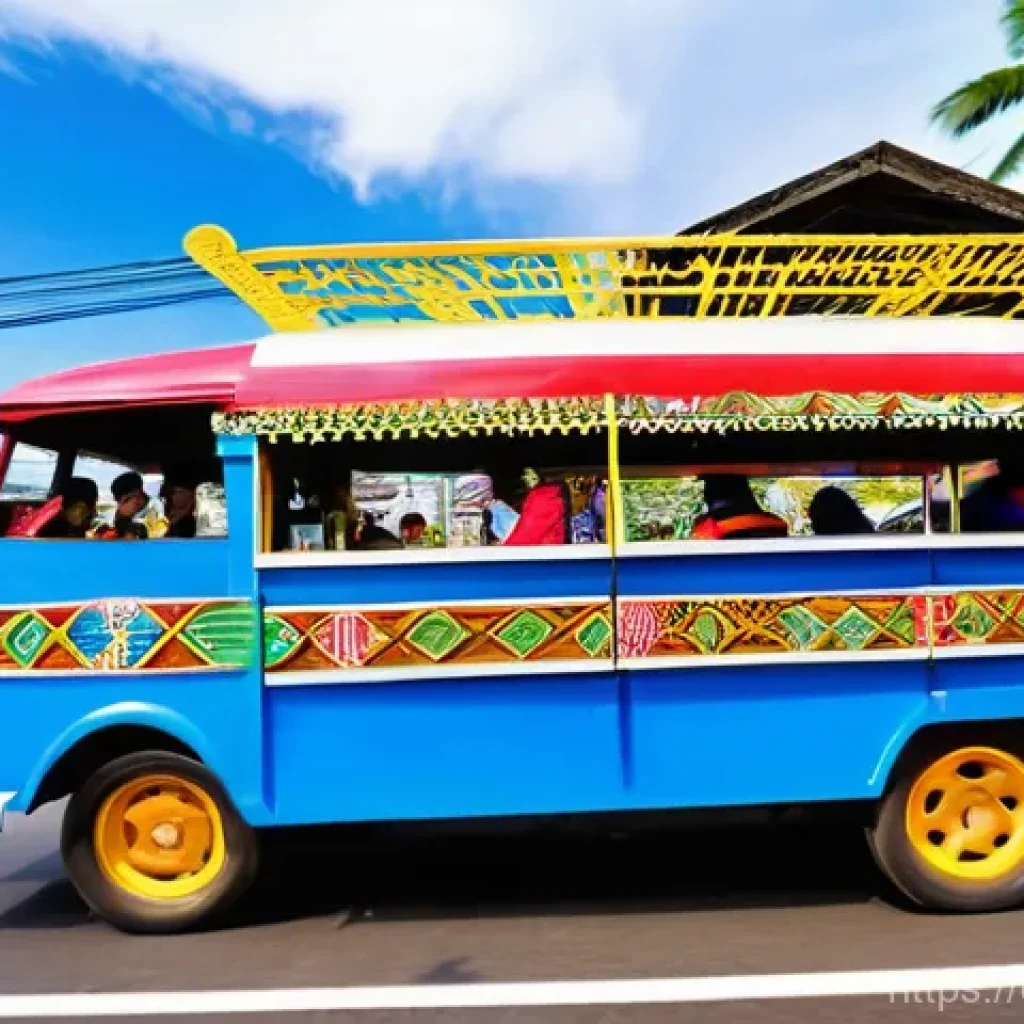
Oh, the jeepney! Seriously, you haven’t truly experienced the Philippines until you’ve squeezed into one of these iconic, vibrant machines. I remember my very first ride, squashed between a lady carrying a huge basket of mangoes and a student engrossed in his phone. The air was buzzing with chatter, the city sights whizzing by, and the sheer energy was infectious. It felt like I was part of a rolling party, not just a commute. These brightly decorated repurposed US military jeeps are the backbone of urban and inter-town travel, and they’re unbelievably cheap! You just hop on, pass your fare forward, and shout “Para!” (stop!) when you want to get off. It’s a bit chaotic at first, especially trying to figure out the routes, but after a couple of tries, you’ll be navigating them like a pro. The best part? You get to see the real everyday life of Filipinos unfold right before your eyes. I’ve had some of the most memorable conversations and laughs on a jeepney, truly connecting with locals in a way that just doesn’t happen in a taxi. It’s an adventure in itself, and it’s where your budget-friendly journey really takes off. Don’t be shy; embrace the glorious chaos!
Decoding the Jeepney Code: Routes and Fares
- When you’re looking at a jeepney, check the sign on the front to see its route. It usually lists the major landmarks or destinations it passes through. If you’re unsure, don’t hesitate to ask a local or the driver – they’re generally super helpful!
- Fares are incredibly affordable, usually starting around PHP 13 (around $0.20 USD) for short distances and increasing incrementally. Just pass your payment to the driver, or to the person next to you who will pass it along, and wait for your change.
Tricycle Adventures: Short Hops and Island Charms
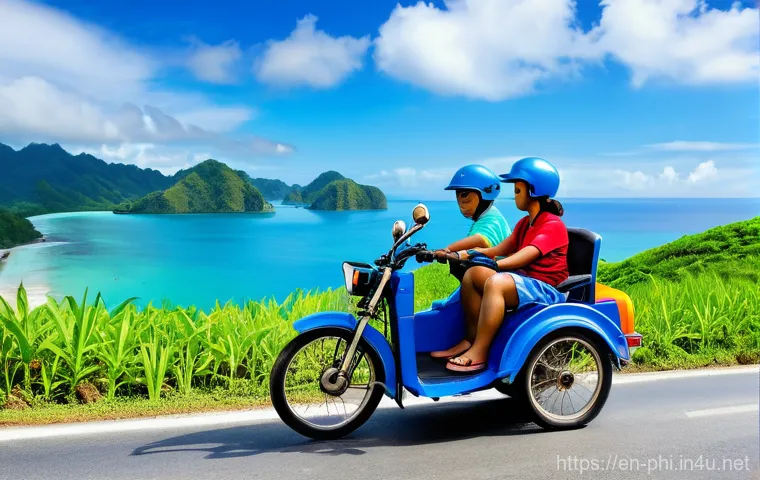
- Tricycles are motorcycles with an attached sidecar, perfect for shorter distances, especially in smaller towns or getting off the main roads. My first tricycle ride was on a tiny island, and it felt like a personalized tour!
- Always negotiate the fare *before* you hop on. They might try to quote a “tourist price,” but a polite “magkano po?” (how much, please?) and a friendly smile can go a long way in getting a fair local rate. For short distances, expect to pay anywhere from PHP 20 to PHP 100, depending on the length and the driver.
Beyond the Usual Paths: Uncovering Hidden Gems on Two and Three Wheels
While jeepneys and tricycles cover a huge chunk of the transport landscape, sometimes you want to go a little deeper, or maybe just faster. This is where options like pedicabs and the ever-present motorcycles (habal-habal) come into play. I vividly recall being stuck in traffic in a particularly dense area of Manila and seeing locals effortlessly weave through on motorbikes. It looked terrifyingly efficient! After a few days, I got brave enough to try a habal-habal for a quick dash across town, and wow, what a rush! It’s not for the faint of heart, but if you’re comfortable with a bit of an adrenaline kick and need to get somewhere fast, it’s an experience. Pedicabs, on the other hand, are the gentler, more leisurely cousins – a bicycle with a sidecar – perfect for exploring quaint neighborhoods or making a short trip to the market without breaking a sweat. It truly gives you a different perspective, allowing you to slow down and take in the sights and sounds at a more intimate pace. Each mode of transport has its own unique charm and utility, and really diving into them is part of what makes travel in the Philippines so uniquely authentic. Don’t be afraid to try them all; each ride tells a story!
Pedicabs: A Leisurely Local Ride
- Pedicabs are best for very short distances, often within subdivisions or local markets where cars and jeepneys can’t easily navigate. It’s a charming way to explore.
- Fares are typically low, often just PHP 10-30 for a quick trip. Again, confirm the price with the driver before you start.
Habal-Habal: The Speedy Solution
- These motorcycle taxis are king in areas with narrow roads, heavy traffic, or even challenging terrain where larger vehicles can’t go. I’ve seen them navigate mountain paths like it’s nothing!
- Always wear a helmet if one is provided (and it should be!). Prices vary greatly depending on distance and negotiation, but expect to pay a bit more than a jeepney for the convenience and speed.
Mastering the Art of Payment & Haggling (Sort Of!)
Navigating the payment system for public transport in the Philippines is an art form, especially if you want to pay like a local and not get stuck with a “tourist rate.” My first few days were a bit of a learning curve, fumbling with change and trying to understand the exact fare. But trust me, it gets easier, and you’ll soon feel like a seasoned pro! Cash is king, and having small denominations – think PHP 20, PHP 50, and PHP 100 bills – is absolutely crucial. Trying to pay for a PHP 13 jeepney ride with a PHP 1000 bill is a big no-no; drivers often won’t have enough change, and it just holds everyone up. I quickly learned to always carry a stash of smaller bills and coins. For tricycles and habal-habal, a friendly negotiation is part of the experience. It’s not about being aggressive, but rather about knowing what a fair price is and politely sticking to it. A simple “Pwede po ba mas mababa?” (Can it be lower?) or “Ilang pesos po?” (How many pesos?) with a smile usually does the trick. It’s all part of the fun and really helps you connect with the local way of life. Don’t feel bad about asking for a fair price; it’s expected!
Cash is King: Always Have Small Bills
- Before you head out, make sure your wallet is stocked with small bills and coins. It makes paying for jeepneys, tricycles, and even street food so much smoother.
- Avoid using large denominations (PHP 500, PHP 1000) for small fares. It’s a common rookie mistake that can cause inconvenience for drivers and other passengers.
The Gentle Art of Negotiation
- For tricycles and habal-habal, always agree on the fare *before* you start the ride. This avoids any awkwardness or disputes upon arrival.
- Don’t be afraid to ask for a slightly lower price if you feel it’s too high. Locals often do this, and a polite request is usually met with understanding.
Navigating the Urban Jungle: City Transit Secrets
Manila, ah, Manila! This sprawling metropolis can feel overwhelming at first glance, especially when you’re trying to figure out how to get from point A to point B without spending half your day in traffic. But fear not, my friends! Manila actually has a pretty comprehensive public transport system if you know how to wield it. Besides the ubiquitous jeepneys, you’ll find trains (LRT and MRT) that cut through the city’s main arteries, offering a much faster, albeit sometimes crowded, alternative to road travel. My personal experience with the MRT was a mix of awe and a bit of a squeeze during rush hour, but it’s undeniably efficient for covering long distances quickly. Buses also crisscross the city, and while they can get stuck in traffic, they offer a comfortable ride, especially for longer journeys. And then there’s the ride-hailing apps like Grab – a true lifesaver for those times when you crave air-conditioned comfort and direct routes without the hassle of navigating local routes. It’s super convenient, often reasonably priced, and gives you a much-needed break from the more adventurous local options. I usually mix and match – local transport for the experience, and Grab for convenience or when I’m short on time. Understanding how these different modes interconnect is key to mastering urban exploration in the Philippines.
Riding the Rails: LRT and MRT
- Manila’s Light Rail Transit (LRT) and Metro Rail Transit (MRT) systems are excellent for beating the infamous traffic, especially along EDSA. They can get incredibly packed during peak hours, so be prepared for a tight squeeze!
- Fares are very affordable, ranging from PHP 15 to PHP 30 depending on the distance. You can buy single-journey tickets or get a stored value card for convenience.
Buses and Ride-Hailing: Comfort and Convenience
- Buses offer more comfortable, sometimes air-conditioned, options for longer routes within the city or inter-province travel. They have designated stops, but traffic can be a major factor.
- For ultimate convenience, ride-hailing apps like Grab are indispensable. They provide private cars, taxis, and even motorcycle options, complete with GPS tracking and cashless payments. I’ve used Grab countless times when I’m tired or have a specific appointment to make, and it’s always been reliable.
Island Hopping Like a Pro: Waterways and Beyond

The Philippines is an archipelago, right? So, it only makes sense that a massive part of its public transport system happens on the water! My first island-hopping adventure from Cebu to Bohol on a fast craft was exhilarating. The ocean breeze, the stunning views, and the anticipation of exploring a new island felt like a scene right out of a travel documentary. You’ll find everything from large fast crafts that connect major islands to smaller, local outrigger boats (bancas) that ferry passengers between closer islands or take you on picturesque tours. Don’t overlook these bancas; they offer some of the most authentic and breathtaking experiences, often taking you to secluded beaches and snorkeling spots that larger boats can’t reach. I even had a chance to ride a ferry overnight once, complete with bunk beds and shared meals with fellow travelers – a truly unique way to cover long distances between major islands while saving on accommodation! It’s all about embracing the journey, and in the Philippines, that often means setting sail. Just make sure to check weather conditions and book your tickets in advance, especially during peak season, as these routes can get busy!
Ferries and Fast Crafts: Connecting the Archipelagos
- For inter-island travel, ferries and fast crafts are your go-to. Major routes connect islands like Luzon, Visayas, and Mindanao. Prices vary greatly depending on the distance and class of service (economy, tourist, business).
- Always check schedules in advance, especially during holidays or typhoon season. Buying tickets a day or two ahead, especially for popular routes, is a smart move.
Bancas: Local Charm on the Water
- Bancas are traditional outrigger boats, ranging from small canoes to larger passenger vessels. They’re perfect for short island transfers, island-hopping tours, and reaching less accessible areas.
- Negotiate prices for private tours, but for regular point-to-point transfers, fares are usually fixed and quite reasonable. It’s a truly authentic way to experience the local seafaring culture.
Staying Safe and Savvy: Essential Travel Hacks
Okay, let’s talk practicalities! Traveling around the Philippines on public transport is incredible, but like any adventure, a few smart hacks can make all the difference. My absolute number one tip: stay aware of your surroundings, especially in crowded areas. Pickpocketing, while not rampant, can happen, so keep your valuables secure and out of sight. I usually keep my phone tucked away in a cross-body bag or a front pocket. Another lifesaver I discovered early on is using offline maps. Google Maps allows you to download areas, which is a godsend when you lose signal (which happens!). This saved me more than once when I was trying to figure out which street to turn onto after hopping off a jeepney. And speaking of hopping off, always know your destination and maybe even a landmark near it. Don’t be afraid to ask for directions; Filipinos are incredibly friendly and helpful. Learning a few basic Tagalog phrases like “Saan po ito?” (Where is this?) or “Magkano po?” (How much?) can also go a long way in building rapport and ensuring smoother interactions. Plus, it’s just fun to try! It’s all about being prepared and open to the experience, and you’ll find yourself navigating like a true local in no time.
Essential Safety Tips
- Always keep an eye on your belongings, especially in crowded terminals or on busy jeepneys. Consider using an anti-theft bag.
- Avoid flashing expensive gadgets or jewelry. Try to blend in and be mindful of your appearance.
Handy Travel Hacks
- Download offline maps: They are invaluable when you don’t have internet access. Mark your destination and key landmarks.
- Learn basic phrases: A few Tagalog words can make a huge difference in your interactions and help you get around more easily.
Why Go Local? The Unbeatable Charm of Public Transport
After all my adventures crisscrossing the Philippines, I can confidently say that opting for local public transport isn’t just about saving money – although that’s a huge bonus, let’s be real, a few pesos here and there add up to significant savings for longer trips! It’s about so much more than just getting from point A to point B. It’s about diving headfirst into the vibrant pulse of Filipino daily life. I’ve had some of my most authentic, heart-warming, and downright hilarious encounters while sharing a jeepney bench or negotiating a tricycle fare. You truly get to see the country through the eyes of its people, witness their resilience, their humor, and their incredible friendliness firsthand. Imagine sharing stories with a local on a bus ride to a remote village, or getting a spontaneous tip about the best local eatery from a tricycle driver. These are the moments that truly make a trip unforgettable, creating memories that a private car or airport transfer simply can’t replicate. It’s a unique cultural immersion, a chance to truly understand the rhythm of the nation, and frankly, a whole lot of fun! Don’t just visit the Philippines; experience it, one local ride at a time.
Beyond the Savings: Cultural Immersion
- Public transport offers unparalleled opportunities for cultural exchange. You’ll interact with locals, observe daily life, and truly feel the heartbeat of the community.
- The sensory experience – the sights, sounds, and even smells – are all part of the authentic journey that you’d miss in a private vehicle.
Making Connections and Unforgettable Memories
- Some of my fondest travel memories come from unexpected conversations and shared laughs with fellow passengers. These moments are priceless and truly enrich your travel experience.
- You’ll discover hidden gems and local insights that guidebooks often miss, simply by engaging with the people who know the area best.
| Mode of Transport | Best For | Estimated Fare (PHP) | Pros | Cons |
|---|---|---|---|---|
| Jeepney | Urban/Inter-town, budget travel | 13 – 50+ | Very cheap, authentic experience, wide routes | Can be crowded, routes complex for first-timers |
| Tricycle | Short distances, rural areas | 20 – 150+ | Door-to-door, flexible routes, local charm | Fare negotiation needed, open to elements |
| Habal-Habal (Motorcycle Taxi) | Speedy, narrow roads, difficult terrain | 50 – 300+ | Fastest, reaches remote areas | Less safe (wear helmet), weather dependent |
| Pedicab | Very short distances, local neighborhoods | 10 – 50 | Relaxed, eco-friendly, quiet | Slow, limited range, weather dependent |
| LRT/MRT (Trains) | Manila urban, beating traffic | 15 – 30 | Fast, efficient for long distances | Very crowded during peak hours, limited network |
| Ferries/Fast Crafts | Inter-island travel | 300 – 2000+ | Connects major islands, scenic views | Weather dependent, can be slow, booking needed |
Wrapping Up My Philippine Journey
Whew! What a ride, literally! As I reflect on all my adventures navigating the colorful, bustling streets and serene waters of the Philippines, it’s clear that the public transport system here is more than just a means to an end; it’s an experience in itself. From the rhythmic rumble of a jeepney to the refreshing spray on a ferry, each journey has woven itself into the rich tapestry of my travels, offering glimpses into the heart and soul of this incredible country. It’s definitely not always the smoothest ride, but it’s always authentic, always memorable, and undeniably a huge part of what makes exploring the Philippines so utterly charming and unique.
Useful Information to Know
1. Always, always have small denominations of Philippine pesos on hand. Think 20s, 50s, and 100s. Trying to pay for a P13 jeepney ride with a P1000 bill is a surefire way to get a few exasperated looks and potentially delay your journey while the driver scrambles for change. Trust me, I learned this the hard way!
2. Don’t be shy about learning a few basic Tagalog phrases. Even a simple “Saan po ito?” (Where is this, please?) or “Magkano po?” (How much, please?) with a friendly smile can open doors, make interactions smoother, and endear you to the locals. It truly makes a difference in your overall experience.
3. Before you head out, download offline maps of the areas you plan to visit. There will be times when your mobile data decides to take a vacation, and having a map that works without an internet connection can be an absolute lifesaver, helping you navigate confidently even off the beaten path.
4. Keep your valuables secure and out of sight, especially in crowded areas like jeepneys, bus terminals, or markets. A cross-body bag worn to the front or a fanny pack tucked under your shirt can deter opportunistic pickpockets. It’s always better to be safe than sorry, even in the friendliest of places.
5. Embrace the gentle art of negotiation for tricycles and habal-habals. Always agree on the fare *before* you start your ride. A polite query about the price, maybe a soft suggestion for a slightly lower figure, is part of the cultural exchange and ensures you’re paying a fair local rate.
Key Takeaways
Exploring the Philippines via its local public transport is an adventure that extends far beyond mere commuting; it’s an immersive cultural experience that connects you directly with the vibrant daily life of the locals. You’ll find that each mode, from the iconic jeepneys and nimble tricycles to the efficient trains and island-hopping ferries, offers its own unique flavor of travel. Always be prepared with small bills, a few local phrases, and an awareness of your surroundings to ensure a smooth and authentic journey. Most importantly, embrace the unexpected conversations and the lively atmosphere, as these are the moments that truly transform a trip into an unforgettable story.
Frequently Asked Questions (FAQ) 📖
Q: Alright, so I’m totally ready to dive into the adventure, but getting around a new country can be a bit daunting. What’s the absolute best way to jump into Philippine public transport, especially for someone who wants to experience it like a local?
A: Oh, I totally get that feeling! My first time here, I felt like a deer in headlights trying to figure out the transport system. But trust me, once you get the hang of it, it’s not just transportation; it’s part of the whole Filipino experience!
If you want to dive in headfirst like a true local, you absolutely have to try a jeepney. They’re these iconic, brightly decorated buses that are literally everywhere, and they’re incredibly cheap.
I remember my very first jeepney ride – I was so confused about where to sit and how to pay, but a friendly local just nudged me in and pointed to the driver.
Here’s the deal: just wave them down like a taxi, hop in, and when you see your stop (or get near it), just tap on the ceiling or say “Para po!” (which means “stop, please”).
You pass your fare (usually around 13-15 pesos, depending on the distance) to the driver, and often, other passengers will help pass it along. It feels a bit like a community relay, and it’s a fantastic way to see the city from a different perspective, plus you’re saving a ton compared to taxis!
Don’t be shy; everyone’s pretty laid-back, and it’s a crash course in local life.
Q: That sounds amazing! But I’m also thinking about safety and comfort.
A: re there any general unwritten rules or crucial tips I should know to make my public transport experience smoother and safer, especially during peak hours or when I’m out exploring different islands?
A2: That’s a super smart question! Safety and comfort are definitely key to enjoying your adventures here. From my own experience, I’ve found that Philippine public transport is generally safe, but like anywhere else, it pays to be aware.
My number one tip is always to keep an eye on your belongings. I usually keep my backpack on my lap or in front of me, especially in crowded jeepneys or buses.
During peak hours, it can get really packed, so try to avoid traveling with huge luggage if you can help it. If you’re riding tricycles (those motorbikes with sidecars), always agree on the fare before you start the ride to avoid any surprises – I learned that the hard way once!
Another thing I always do is keep some small bills and coins handy. Drivers often don’t have a lot of change, and it makes things so much smoother. And here’s a little secret: if you’re unsure about a route, don’t hesitate to ask a local or the driver.
Filipinos are incredibly hospitable and usually more than happy to help you out. I’ve had so many instances where someone has gone out of their way to make sure I got to the right place.
It truly makes you feel like you’re part of their community.
Q: Beyond the jeepneys, what other convenient and budget-friendly public transport options should I look into across the Philippines?
A: nd how can I effectively plan my routes and minimize costs to stretch my travel budget further? A3: Excellent question! While jeepneys are fantastic for city hopping, there’s a whole array of other budget-friendly options that are perfect for different situations.
For shorter distances, especially in towns and smaller cities, you’ll see tricycles everywhere. They’re basically motorcycles with a sidecar, and they’re super convenient for getting to places off the main roads.
Just remember my tip about negotiating the fare beforehand! If you’re in Manila, don’t shy away from the LRT (Light Rail Transit) and MRT (Metro Rail Transit).
They can get really crowded, especially during rush hour, but they’re incredibly efficient and cheap for zipping across the city, saving you from notorious traffic.
For longer inter-city or inter-province travel, buses are your best friend. They range from basic to air-conditioned, and they’re a comfortable and affordable way to see more of the landscape.
I’ve spent countless hours on buses, just gazing out the window, and it’s one of my favorite ways to travel between islands (when you take a ferry, of course!).
To truly minimize costs and plan effectively, I always recommend checking out local transport apps like Grab (similar to Uber/Lyft) for ridesharing, which is great for when you need a little more comfort or are traveling late at night, but for the absolute cheapest rides, local public transport is king.
You can also ask at your accommodation or check online travel forums for current route information and typical fares. Trust me, embracing these local transport options will not only save you a ton of cash but also give you some of the most memorable and authentic moments of your trip!