Nestled in the heart of the Philippines, Vigan City stands as a living testament to centuries of rich history and culture. Its cobblestone streets and Spanish colonial architecture have remained remarkably intact, offering a unique glimpse into the past.
Recognized as a UNESCO World Heritage Site, Vigan blends Asian and European influences in a way that captivates every visitor. Walking through its vibrant alleys feels like stepping back in time, where every corner tells a story.
If you’re curious about what makes this city so special and why it’s preserved for future generations, let’s dive deeper into its fascinating heritage!
Exploring the Timeless Streets of Vigan
The Charm of Cobblestone Pathways
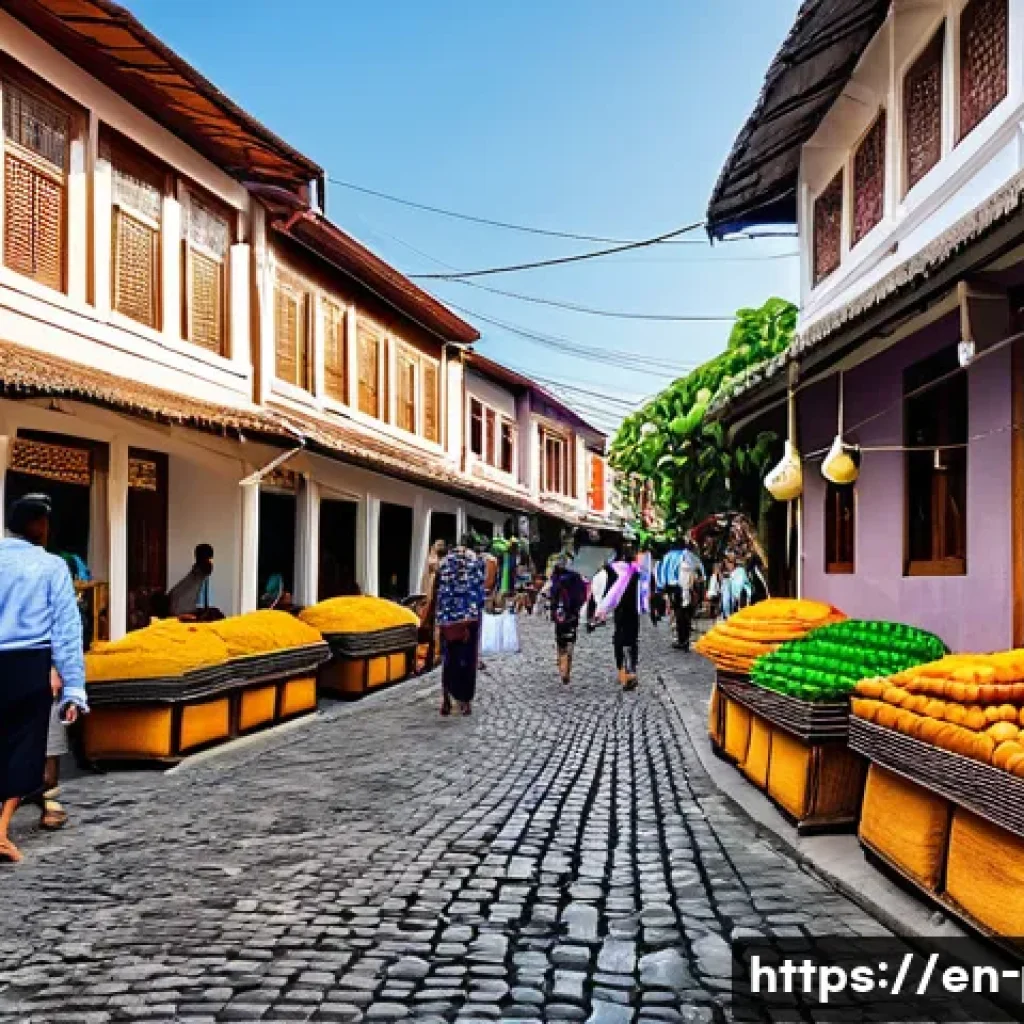
Wandering through Vigan’s cobblestone streets is like stepping into a living museum. These uneven stones, worn smooth by centuries of footsteps, create a tactile connection to the past that’s hard to find elsewhere.
The sound of your footsteps echoing against the walls of centuries-old buildings adds a nostalgic ambiance that modern cities simply can’t replicate. What I personally found fascinating was how every turn seemed to reveal a new story — from quaint shops selling handmade crafts to small cafes tucked in heritage houses.
It’s not just about the aesthetics; these streets have witnessed countless historical events, festivals, and daily lives that have shaped the city’s identity.
Spanish Colonial Architecture: A Blend of Elegance and Resilience
Vigan’s architecture stands out as a testament to Spanish colonial influence meshed beautifully with local Filipino craftsmanship. The houses, known locally as “Bahay na Bato,” showcase thick stone foundations topped with wooden upper floors, designed to withstand earthquakes and tropical storms.
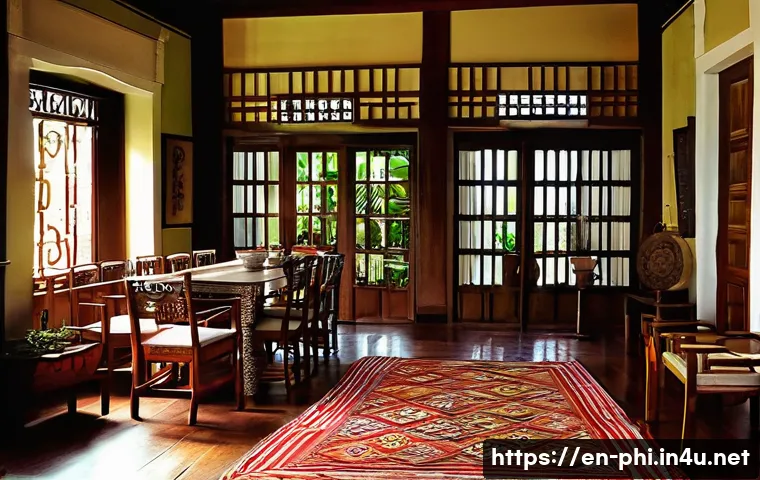
Walking inside these homes, you can see intricate woodwork and capiz shell windows that let in a soft, natural light — it’s an experience that transports you to another era.
I noticed how these buildings aren’t just frozen in time; many still serve as family homes or boutique hotels, keeping their heritage alive while adapting to modern needs.
Street Life and Local Culture in the Historic District
The streets of Vigan are alive with color and culture. Vendors selling street food like empanadas and longganisa line the pathways, filling the air with mouth-watering aromas.
Local artisans display their crafts, from woven baskets to pottery, offering visitors a chance to connect with traditional Filipino artistry. I was struck by the warmth of the locals — their stories and smiles added layers of meaning to every corner of the city.
Festivals such as the Vigan Longganisa Festival also bring the streets to life, showcasing the city’s vibrant cultural heritage in a way that’s both authentic and inviting.
Preservation Efforts and Community Impact
How Vigan Maintains Its UNESCO Status
Maintaining the integrity of a UNESCO World Heritage Site is no small feat, and Vigan has implemented numerous preservation programs to protect its unique character.
Local government units work closely with heritage conservationists to ensure restoration projects adhere to strict guidelines. This includes using traditional materials and techniques to repair structures rather than modern substitutes.
From my conversations with community members, it’s clear there’s a shared sense of pride and responsibility to keep Vigan’s charm intact for future generations.
This collective effort is what sets Vigan apart from other historical cities facing rapid modernization.
The Role of Tourism in Vigan’s Economy
Tourism is a double-edged sword in heritage sites, but Vigan manages to balance visitor influx with sustainable practices. The city has developed tourism infrastructures, such as guided tours and cultural workshops, that educate visitors while generating income for locals.
I observed that many families rely on this tourism-driven economy, running small inns, restaurants, and souvenir shops. This economic boost helps fund further preservation and community projects, creating a positive feedback loop.
However, local authorities are also vigilant about overcrowding and environmental impact, ensuring that tourism growth doesn’t come at the cost of Vigan’s heritage.
Community Engagement in Cultural Conservation
One of the most inspiring aspects of Vigan’s preservation story is how deeply the community is involved. Residents actively participate in cultural festivals, heritage walks, and educational programs that celebrate their history.
I attended a workshop where elders shared traditional weaving techniques — it was a powerful reminder that heritage isn’t just about buildings but the living practices passed down through generations.
This grassroots involvement fosters a sense of belonging and ensures that Vigan’s cultural legacy remains vibrant and relevant in a rapidly changing world.
The Unique Blend of Asian and European Influences
Architectural Fusion: East Meets West
Vigan’s architecture is a rare fusion of Asian and European styles, a result of centuries of trade and colonization. The Spanish colonial buildings incorporate local design elements, such as wide eaves and ventanillas (small windows) that suit the tropical climate.
This blend not only reflects historical interactions but also demonstrates practical adaptations. From my visit, I could appreciate how this architectural hybrid serves as a cultural bridge, telling stories of both foreign influence and indigenous ingenuity.
It’s a vivid example of how history can shape a city’s physical and cultural landscape in complex, fascinating ways.
Food as a Cultural Intersection
The culinary scene in Vigan mirrors its cultural mix. Traditional Filipino dishes are infused with Spanish flavors, creating unique tastes that you won’t find anywhere else.
I tried the classic Vigan empanada — a crispy, flavorful treat stuffed with local ingredients — and was amazed at how it perfectly encapsulated this fusion.
Street food stalls and family-run eateries serve recipes passed down through generations, often blending Chinese, Malay, and European influences. This gastronomic diversity adds another layer to Vigan’s identity, inviting visitors to experience its history through their taste buds.
Language and Traditions: A Cultural Mosaic
The local dialects and customs in Vigan reflect a rich tapestry of influences. While Ilocano is the dominant language, you’ll also hear Spanish words peppered in daily conversation and see traditions that trace back to pre-colonial times.
I found the mix of festivals, religious practices, and folk dances to be a beautiful representation of the city’s layered heritage. For example, the Semana Santa (Holy Week) celebrations combine Catholic rituals with indigenous elements, creating a unique cultural expression.
This mosaic of language and tradition is a living reminder of Vigan’s dynamic history.
Noteworthy Historical Landmarks to Visit
St. Paul’s Metropolitan Cathedral
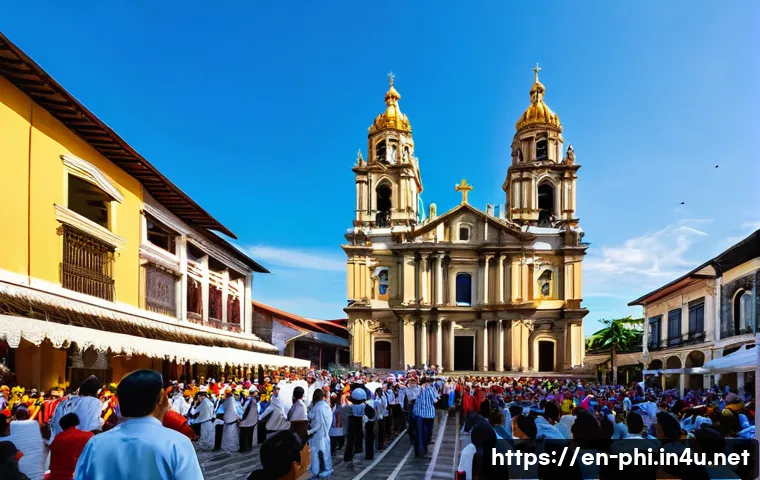
This grand cathedral is a centerpiece of Vigan’s religious and architectural heritage. Built in the 18th century, it features Baroque design elements combined with local stonework.
Inside, the ornate altar and religious icons offer a glimpse into the spiritual life of the community over centuries. Visiting the cathedral, I felt a profound sense of reverence and history intertwined.
It remains an active place of worship, which adds a vibrant dimension to its historical significance.
The Syquia Mansion: A Glimpse into Filipino Elite Life
The Syquia Mansion offers a fascinating look at the lifestyle of the Filipino elite during the Spanish colonial period. This well-preserved home showcases elegant furniture, antique decor, and personal artifacts that tell stories of a bygone era.
I was particularly drawn to the blend of Western and Filipino influences in the mansion’s design and furnishings. It’s a vivid snapshot of history that feels intimate and accessible, providing context for Vigan’s social and cultural evolution.
Plaza Salcedo and Heritage Museums
Plaza Salcedo is the heart of the city, surrounded by historical buildings and lively public spaces. Nearby museums offer curated exhibits on Vigan’s history, art, and crafts.
Walking through the plaza, I noticed how the space serves as a communal hub where locals and tourists alike gather to relax and celebrate. The museums add depth to the experience by providing detailed insights into the city’s rich past, making it easier to appreciate the significance of what’s around you.
Key Features of Vigan’s Heritage and Tourism
| Feature | Description | Visitor Experience |
|---|---|---|
| Cobblestone Streets | Preserved pathways dating back to Spanish colonial times | Authentic walking experience with historical ambiance |
| Bahay na Bato Houses | Stone and wood houses blending Filipino and Spanish design | Visual and cultural insight into colonial architecture |
| Local Festivals | Cultural events celebrating food, religion, and traditions | Engaging, colorful experiences showcasing community spirit |
| Traditional Crafts | Handmade items like pottery, weaving, and woodwork | Opportunities to learn and purchase authentic souvenirs |
| Heritage Museums | Exhibits detailing Vigan’s history and cultural evolution | Educational stops enhancing understanding of the city |
| UNESCO Protection | International recognition ensuring conservation efforts | Confidence in the preservation and authenticity of the site |
The Modern-Day Relevance of Vigan’s Heritage
Balancing Tradition and Contemporary Life
Vigan isn’t just a relic of the past; it’s a living city where tradition and modernity coexist. I noticed how residents incorporate modern conveniences without compromising their cultural identity.
For example, some heritage houses now function as boutique hotels with Wi-Fi and air conditioning, blending comfort with history. This balance helps keep the city relevant and vibrant, attracting younger generations to appreciate and continue their heritage.
Educational Initiatives and Cultural Awareness
Schools and local organizations in Vigan actively promote cultural education, ensuring that young people understand and value their heritage. I had the chance to visit a local school where students participated in heritage tours and traditional craft workshops.
These initiatives foster pride and encourage preservation efforts from an early age, which is vital for the sustainability of Vigan’s cultural treasures.
Challenges and Future Prospects
Despite its successes, Vigan faces challenges like urban development pressures and climate risks. Preservationists and the community are continuously working to address these issues through innovative solutions and policy advocacy.
From what I gathered, there’s a strong commitment to safeguarding Vigan’s legacy while adapting to future needs, making it a model for heritage cities worldwide.
글을 마치며
Vigan is a rare gem where history breathes through every street and structure, inviting visitors to step back in time while still feeling the pulse of a living community. Experiencing its unique blend of culture, architecture, and local warmth left me with a deep appreciation for how heritage can thrive in the modern world. Whether wandering cobblestone paths or savoring local flavors, Vigan offers an unforgettable journey that connects past and present seamlessly.
알아두면 쓸모 있는 정보
1. Vigan’s cobblestone streets are best explored on foot to fully appreciate the historic ambiance and discover hidden gems along the way.
2. Many heritage houses have been converted into boutique hotels, offering modern amenities without losing their authentic charm.
3. Local festivals like the Longganisa Festival provide immersive cultural experiences and are ideal times to visit for vibrant celebrations.
4. Participating in workshops or guided tours led by locals enhances understanding of Vigan’s crafts and traditions.
5. Responsible tourism is encouraged to help preserve Vigan’s UNESCO World Heritage status, so always follow guidelines and support local businesses.
중요 사항 정리
Vigan’s preservation is a community-driven effort balancing tourism and heritage conservation, ensuring the city remains authentic and vibrant. Visitors should respect local customs and the environment to contribute positively to this historic city’s legacy. Embracing both tradition and modernity, Vigan stands as a living example of sustainable cultural heritage that continues to inspire and educate future generations.
Frequently Asked Questions (FAQ) 📖
Q: Why is Vigan City recognized as a UNESCO World Heritage Site?
A: Vigan City earned its UNESCO World Heritage status because it is one of the best-preserved examples of a Spanish colonial town in Asia. Its cobblestone streets, ancestral houses, and original town layout showcase a unique fusion of Asian and European architectural styles.
This preservation offers an authentic window into the past, reflecting centuries of cultural exchange and history that remain intact despite modern development.
Q: What makes Vigan’s architecture and streets so unique compared to other cities in the Philippines?
A: Unlike many other cities, Vigan’s architecture has resisted drastic modernization. The city’s buildings feature Spanish colonial design with influences from Chinese and Filipino craftsmanship, such as capiz shell windows and intricate wooden carvings.
The cobblestone streets, horse-drawn carriages, and preserved plazas create a charming, timeless atmosphere that you rarely find elsewhere, making every stroll feel like a step back in history.
Q: What are the best ways to experience Vigan’s rich culture and heritage?
A: To truly soak in Vigan’s heritage, start with a leisurely walk or a calesa (horse-drawn carriage) ride through the historic district. Visit landmarks like the St.
Paul’s Cathedral and the ancestral houses turned museums to learn about local history. Don’t miss trying the famous Vigan empanada and local crafts like burnay pottery.
Exploring during festivals, such as the Vigan Longganisa Festival, also offers lively cultural immersion with music, food, and traditional activities.