Hey there, amazing readers! As someone who’s spent a fair bit of time soaking up the sun and culture in the Philippines, I’ve learned a thing or two about what it’s really like when you need medical help.
It’s a beautiful country, absolutely, but when it comes to healthcare and those unexpected emergency situations, you absolutely need to be prepared and know what to expect.
From bustling Manila hospitals to quiet island clinics, the experience can be incredibly varied, and trust me, you don’t want to be caught off guard. I’ve personally navigated a few minor incidents and even witnessed some serious emergencies, and what I discovered was a system with both incredible kindness and some surprising challenges.
Getting timely and quality care, especially when every second counts, is a crucial concern for anyone living or visiting here. It’s not always as straightforward as you might hope, but with the right information, you can make informed decisions and ensure your safety.
Let’s dive deeper into this right now!
Understanding the Philippine Healthcare Landscape
The Dual
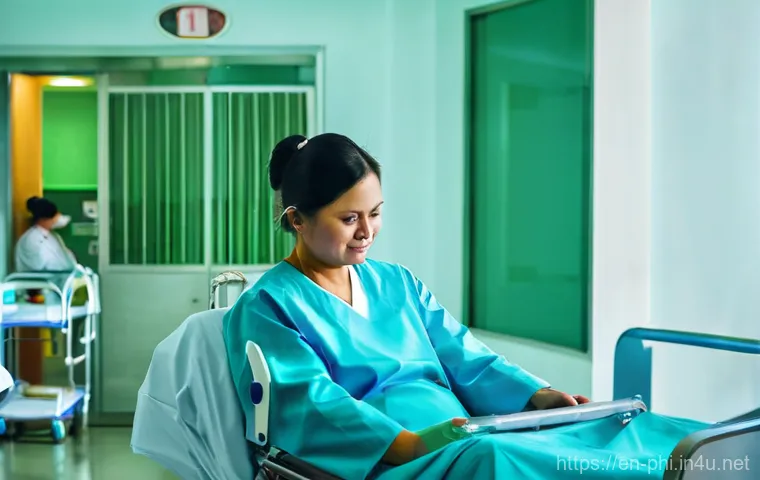
From my time living in and exploring the Philippines, one of the first things that really stood out about their healthcare system is the clear divide between public and private facilities. It’s not just a subtle difference; it’s like night and day, truly. Public hospitals, while often more accessible in terms of location and theoretically offering lower costs, can be incredibly crowded. I’ve seen wards with multiple patients sharing a room, and sometimes even a single fan during the hottest months. The resources can feel stretched thin, and waiting times, especially for non-emergency situations, can test anyone’s patience. Medications might not always be readily available, requiring family members to purchase them from outside pharmacies. On the other hand, the private hospitals are a whole different ballgame. These are the ones that truly resemble modern Western hospitals, with private rooms, state-of-the-art equipment, and a much higher staff-to-patient ratio. The comfort level is significantly higher, and the efficiency is generally impressive. However, this comfort comes with a considerably higher price tag, which is something you absolutely need to factor into your budget if you’re staying here long-term or expecting any kind of medical need. I remember having to help a friend find a specific blood test, and the difference in turnaround time and overall experience between a public and private lab was astounding – private was definitely faster and more organized.
Accessing General Practitioners and Specialists
Finding a good doctor here, whether it’s a general practitioner or a specialist, can be an interesting journey. In larger cities like Manila or Cebu, you’ll find an abundance of highly qualified doctors, many of whom have trained abroad and speak excellent English. They often have clinics in private hospitals or medical centers. What I’ve found really convenient is that many specialists don’t require a referral from a GP; you can often book an appointment directly. However, outside these major urban centers, access to specialized care can become more challenging. On some of the more remote islands where I’ve spent time, the local clinics are primarily staffed by general practitioners or nurses, and getting to see a specialist might involve a flight back to a bigger city. It’s always a good idea to ask for recommendations from other expats or locals you trust, as word-of-mouth can lead you to some truly excellent practitioners. I’ve personally relied on these recommendations more than once and it’s always paid off. Don’t be shy about asking questions about their experience or affiliations; a little due diligence goes a long way in ensuring you get the best possible care here.
Navigating Public vs. Private Facilities
The Private Advantage: When Comfort Meets Care
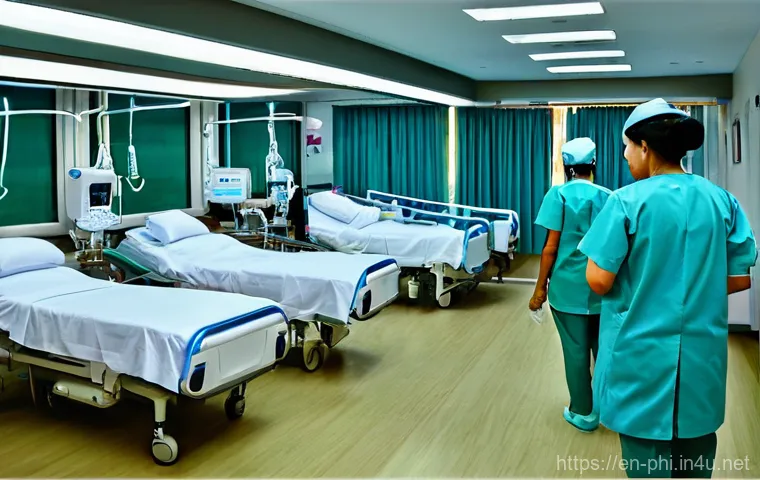
Having experienced both sides, I can honestly tell you that private hospitals in the Philippines often provide a level of care and comfort that many expats and tourists are more accustomed to. When I had a minor sprain and needed an X-ray, going to a private facility meant almost no waiting time, a clean and spacious examination room, and a doctor who explained everything in perfect English. The staff were attentive, and the whole process was incredibly smooth. They focus heavily on patient experience, which includes everything from the cleanliness of the facilities to the quality of the food if you’re admitted. These hospitals are typically well-equipped with modern technology and have a comprehensive range of services, from advanced diagnostics to specialized surgeries. The convenience factor alone is a huge draw; everything from registration to billing usually runs quite efficiently. It gives you a real sense of peace of mind, especially when you’re already feeling vulnerable due due to illness or injury. For serious conditions or when you simply want the best possible environment for recovery, private hospitals truly shine, though again, the costs are something you absolutely need to be prepared for, either through a solid insurance plan or personal funds.
Public Hospitals: A Different Kind of Challenge
My encounters with public hospitals have been quite different, and while they serve an invaluable role for the vast majority of Filipinos, they present unique challenges for foreigners. I’ve accompanied friends to public hospitals for various reasons, and the sheer volume of patients is often overwhelming. The facilities, while functional, might not always be as new or well-maintained as their private counterparts. Waiting areas can be packed, and sometimes you’ll see patients on stretchers in hallways due to a lack of beds. The medical staff, while dedicated and hardworking, are often dealing with immense pressure and limited resources. Language can sometimes be a barrier, as not all staff may be fluent in English, which can be stressful in an emergency. From what I’ve observed, it really is a place where families become actively involved in patient care, from bringing in food to assisting with basic needs, a testament to the strong family ties here. While public hospitals are far more affordable, often at minimal or no direct cost for basic services, the trade-off is often in terms of comfort, privacy, and wait times. It’s important to understand this dynamic, not to avoid public healthcare entirely, but to be realistic about what to expect if you ever find yourself needing their services.
Emergency Room Realities: What to Expect When Time is Critical
The “Cash First” Culture: An Uncomfortable Truth
This is probably one of the most critical pieces of advice I can offer about emergencies in the Philippines: be prepared for the “cash first” reality, especially in private hospitals. It’s an uncomfortable truth, but in many private emergency rooms, a deposit or proof of ability to pay is often requested before significant treatment begins, even for emergencies. I’ve personally witnessed situations where a friend needed immediate attention, and the first question asked wasn’t about their symptoms, but about their insurance card or cash payment. This isn’t a blanket rule for all situations or all hospitals, and critical, life-saving interventions will usually be initiated regardless, but for diagnostics, admission, or less immediately life-threatening issues, expect this hurdle. It’s a stark contrast to what many of us might be used to in other countries, and it can add an immense layer of stress to an already frightening situation. This is why having accessible cash, a reliable credit card with a good limit, or pre-arranged insurance is not just a good idea, but an absolute necessity when you’re in the Philippines. I always make sure I have some emergency funds separate from my main wallet, just in case something like this ever pops up when I least expect it. It’s truly a game-changer for getting prompt care.
Seeking Specialized Emergency Care
Beyond the initial cash hurdle, knowing where to go for specialized emergency care can save precious time. Not all hospitals are equipped to handle every type of emergency, and smaller provincial hospitals might only offer basic stabilization before requiring transfer to a larger facility. If you suspect a serious issue like a heart attack, a major trauma, or a neurological emergency, you’ll want to head straight for a major private hospital in a city, as they are far more likely to have the necessary specialists, equipment, and intensive care units. I learned this the hard way when someone I knew had a severe allergic reaction on a trip to a smaller island; the local clinic could only do so much before we had to arrange a frantic boat ride and then a car to the nearest city hospital. Identifying these key hospitals in advance, especially in areas you frequent, is a brilliant move. Keep their numbers saved and know the fastest routes. Trust me, in a true emergency, every second counts, and having this information at your fingertips can make all the difference between a good outcome and a potentially tragic one. Don’t assume every ER is equal; they definitely aren’t, especially when you need specific expertise.
Insurance Insights: Your Lifeline in a Crisis
Local Health Insurance Options for Expats and Long-Term Visitors
If you’re planning on being in the Philippines for an extended period, relying solely on travel insurance for every sniffle or check-up might not be the most economical or practical approach. This is where exploring local health insurance options comes into play. Several Philippine insurance providers offer HMO (Health Maintenance Organization) plans that can be quite beneficial. These often cover consultations, diagnostics, and even some inpatient services at a network of hospitals and clinics, similar to how HMOs work in other countries. I’ve seen friends benefit immensely from these plans, especially for regular check-ups or unexpected minor illnesses that don’t warrant an international travel insurance claim. The premiums are generally more affordable than international plans, but it’s crucial to understand their coverage limits, network of providers, and any pre-existing condition clauses. They might not cover international medical evacuation, for instance, which is where your comprehensive travel insurance still comes in. It’s about finding that balance, where local insurance covers your day-to-day medical needs and travel insurance acts as your safety net for the big, catastrophic emergencies. When I considered staying longer, I seriously looked into these, realizing they offer a great way to manage routine health expenses without breaking the bank.
International Travel Insurance: A Non-Negotiable Necessity
Now, let’s talk about something I consider absolutely non-negotiable for anyone visiting or living in the Philippines: comprehensive international travel insurance. This isn’t just a suggestion; it’s a vital safety net. I’ve seen too many situations where unexpected medical emergencies left people in dire financial straits because they skimped on insurance. A good policy will cover emergency medical treatment, hospital stays, and most importantly, medical evacuation. Imagine you’re on a remote island and suffer a serious injury; you’d need to be airlifted to a major city for advanced care. Without insurance, that flight alone could cost tens of thousands of dollars out of pocket. Moreover, it can cover trip interruption, lost luggage, and other travel-related mishaps. When choosing a policy, always read the fine print. Check the coverage limits, what activities are excluded (like certain adventure sports), and how to initiate a claim. Some policies require you to contact them *before* seeking treatment, which is critical to remember. I always ensure my policy has robust medical evacuation coverage because, in a country made up of so many islands, getting to the right medical facility quickly can be a logistical and financial nightmare without it. It truly is your peace of mind wrapped up in a policy document.
| Insurance Type | Key Benefits | Typical Coverage | Considerations |
|---|---|---|---|
| Local HMO/Health Plans | Affordable, covers routine care, specific clinics/hospitals | Doctor consultations, diagnostics, some inpatient services (within network) | May not cover critical care/evacuation, limited network, pre-existing conditions |
| International Travel Insurance | Comprehensive for emergencies, medical evacuation, trip protection | Emergency medical treatment, hospitalization, medevac, trip cancellation/interruption | Higher cost, usually for short-term trips, may have deductibles and exclusions |
Common Health Scares and How to Avoid Them
Battling the Bug: Dengue, Food Poisoning, and Beyond
Living in or visiting the Philippines means becoming acutely aware of a few common health challenges that you might not typically encounter back home. Dengue fever, for instance, is a very real threat, especially during the rainy season. I’ve known several people who’ve had it, and it can range from feeling like a really bad flu to something much more severe. My personal strategy for dengue prevention involves diligent use of insect repellent, especially during dawn and dusk, and making sure my accommodations are mosquito-proofed. Another common foe is food poisoning. The delicious street food is tempting, I know, but exercising caution is paramount. I always look for vendors with high foot traffic, hot food, and good hygiene practices. Stick to bottled water, and be wary of ice unless you know it’s from a reputable source. Beyond these, travelers’ diarrhea is a frequent companion for newcomers. Carrying a basic supply of anti-diarrhea medication and rehydration salts is always a smart move. I’ve learned that a little bit of vigilance in these areas can save you a lot of discomfort and a trip to the doctor, which is always a bonus when you’re trying to enjoy the beautiful islands.
Preventative Measures: A Little Caution Goes a Long Way
Taking preventative measures seriously here can make a world of difference in your health and overall experience. It’s not about being paranoid, but about being smart. Vaccinations are a great starting point; make sure you’re up-to-date on routine shots and consider others like Hepatitis A & B, Typhoid, and Japanese Encephalitis, especially if you’re planning extensive rural travel. Beyond shots, personal hygiene is incredibly important. Frequent handwashing, especially before eating, is a simple yet powerful defense against many common illnesses. Sun protection is another big one. The Philippine sun is intense, and I’ve seen countless tourists get severe sunburns that require medical attention. Always wear high-SPF sunscreen, a hat, and sunglasses, and seek shade during peak hours. Hydration, of course, is key in this tropical climate. Drink plenty of bottled water throughout the day. From my own experiences, I’ve found that even small consistent efforts in these preventative areas can dramatically reduce your chances of needing medical care. It allows you to really enjoy the vibrant culture and stunning scenery without constantly worrying about falling ill. Stay smart, stay safe, and enjoy the Philippines!
The Role of Medical Evacuation and Travel Insurance
When Local Care Isn’t Enough: Medevac Options
There are certain medical situations where, despite the best efforts of local hospitals, the specialized care you need simply isn’t available in the Philippines, or at least not easily accessible from your current location. This is precisely when medical evacuation, or ‘medevac,’ becomes not just an option, but a critical necessity. I’ve personally heard stories and seen the relief on people’s faces when a proper medevac was arranged after a severe accident or sudden, serious illness. Imagine a complex cardiac issue or a severe traumatic brain injury; while major hospitals in Manila have excellent capabilities, if you’re on a remote island, getting there quickly and safely is the first hurdle. Medevac services, often organized through your international travel insurance, involve specialized air transport – anything from a fixed-wing air ambulance to a helicopter – with medical staff onboard, flying you to a facility that can provide the specific treatment required, often in Singapore, Hong Kong, or even back to your home country. Without insurance covering this, the cost is astronomical, easily running into the tens or even hundreds of thousands of dollars. It’s a sobering thought, but one that truly highlights the immense value of comprehensive coverage for those worst-case scenarios.
Understanding Your Policy’s Fine Print
When it comes to something as vital as medical evacuation, blindly assuming coverage can lead to heartbreaking surprises. This is why digging into the fine print of your travel insurance policy is absolutely paramount. I can’t stress this enough: don’t just skim it! Look for specific clauses related to medical evacuation. What are the monetary limits? Does it cover evacuation to a country of your choice, or only to the nearest appropriate medical facility? Are there any conditions under which medevac might be denied, such as pre-existing conditions not declared or activities deemed high-risk? For instance, some policies might exclude coverage if you’re engaging in certain adventure sports without specific add-ons. You also need to know the exact procedure for initiating a medevac: who do you call? What information do they need? Is there a 24/7 emergency hotline? I always keep a digital copy of my policy and the emergency contact numbers easily accessible on my phone, and a physical copy with my important documents. Understanding these details before an emergency strikes empowers you to make informed decisions and ensures that when the chips are down, you have the full backing of your insurance without any unforeseen hitches.
Language Barriers and Cultural Nuances in Care
Bridging the Communication Gap with Medical Staff
Even though English is widely spoken in the Philippines, especially in urban areas and among educated professionals, don’t assume that every medical staff member you encounter will be fluent. From my own experiences, especially in public hospitals or smaller clinics, you might find yourself needing to bridge a communication gap. This can be incredibly stressful when you’re trying to explain symptoms or understand complex medical instructions. I’ve found that speaking slowly and clearly, using simple terms, and sometimes even demonstrating symptoms (if appropriate and comfortable) can help. Having a friend who speaks Tagalog or the local dialect with you can be a lifesaver. If you’re traveling solo, consider having a translation app ready or even carrying a small note with key medical phrases in the local language. Doctors in private hospitals generally have excellent English, but nurses and ancillary staff might vary. It’s always better to over-communicate and ensure clarity, rather than assume understanding. I recall a situation where a simple misunderstanding about medication dosage led to unnecessary anxiety, which could have been avoided with clearer communication from the outset. Don’t be afraid to ask them to repeat or rephrase something until you fully grasp it.
Navigating Local Customs and Expectations
Beyond language, there are cultural nuances in the Philippine healthcare system that can be quite different from what many foreigners are used to. For instance, there’s often a strong emphasis on family involvement in patient care. It’s not uncommon for family members to stay with patients in the hospital, assisting with basic needs and providing comfort. This can be a beautiful aspect of their culture, but if you’re alone, it might feel a bit isolating, and you might need to advocate more for your needs with the nursing staff. There’s also a general respect for authority, so questioning a doctor’s diagnosis too assertively might be perceived differently than in some Western cultures. It’s important to be respectful while still advocating for your health and asking all the questions you need to understand your condition and treatment. I’ve learned to approach conversations with medical professionals with politeness and a genuine desire to understand, which usually opens up a more helpful dialogue. Understanding that many medical decisions might also consider the family’s input is crucial. Being aware of these subtle differences can help you navigate the system more smoothly and ensure you receive care that aligns with both your needs and cultural expectations. It’s all part of the unique experience of being in the Philippines.
Building Your Personal Medical Safety Net
Assembling Your Medical Records and Contacts
One of the absolute best things you can do for your peace of mind and safety in the Philippines is to build your own personal medical safety net. And the foundation of that is having all your essential medical records and contacts readily available. I cannot emphasize this enough – it’s a game-changer when an emergency strikes. Think about it: when you’re under stress, trying to recall medication names, dosages, or past medical procedures is incredibly difficult. I personally keep a physical folder and a cloud-based digital file with copies of my immunization records, a list of all current medications (including generic names), any known allergies, details of significant past surgeries or conditions, and my doctor’s contact information back home. Crucially, I also include my insurance policy details, including the 24/7 emergency hotline. Having this information organized means you can quickly hand it over to new medical professionals, ensuring they have a complete picture of your health history without delay. It eliminates guesswork and can literally save lives by preventing adverse reactions or ensuring appropriate treatment. It’s a bit of work upfront, but believe me, the peace of mind it provides is priceless, especially when you’re far from your usual support system.
Knowing Your Nearest and Best Options
Beyond your personal records, building a robust safety net also means being proactive about knowing where to go if you get sick or injured. Don’t wait until an emergency hits to frantically Google “nearest hospital.” In any area you plan to spend significant time, whether it’s your usual city haunt or a new island you’re exploring, make it a point to identify the closest reputable hospital or clinic. Which one has an emergency room? Which one is known for good English-speaking doctors? If you have specific medical needs, like a dermatologist or an orthopedist, research where the best specialists are located. I always ask locals, other expats, or even hotel staff for recommendations, as they often have insider knowledge about the best facilities. Save their contact numbers and locations on your phone, and perhaps even pin them on your map app. It sounds like a lot, but this pre-emptive planning can drastically reduce stress and response time during an actual crisis. Knowing your options, knowing who to call, and knowing the quickest way to get there – that’s the kind of preparedness that truly makes you feel secure and allows you to fully enjoy your time in the Philippines without unnecessary worries looming over your head. Be prepared, not scared!
글을 마치며
Whew! We’ve covered a lot of ground today, haven’t we? Navigating healthcare in a new country can feel like a daunting task, but honestly, with a bit of foresight and the right information, it’s entirely manageable. My biggest takeaway from all my years here is that being proactive is your absolute best defense. Don’t wait for something to happen; instead, equip yourself with knowledge, secure the right insurance, and build your personal safety net. The Philippines is an incredible place, and by understanding its healthcare landscape, you can truly relax and enjoy everything it has to offer, knowing you’re prepared for whatever comes your way. Stay healthy, stay happy, and keep exploring!
알아두면 쓸모 있는 정보
1. Having an emergency kit isn’t just about band-aids anymore; it’s about being digitally and physically prepared for any health hiccup. I’ve found it incredibly useful to keep a dedicated, clearly labeled folder – both a physical one and a secure cloud-based copy – that contains all my vital health information. This includes a detailed list of all current medications, not just the brand names but their generic equivalents too, along with dosages and how often I take them. Don’t forget to list any known allergies, no matter how minor you think they are, as well as a brief summary of significant past medical procedures or chronic conditions. Your doctor’s contact information back home, plus a local emergency contact (if you have one), should also be in there. And, crucially, include all your insurance policy details, especially the 24/7 emergency hotline. Trust me, trying to remember all this when you’re feeling unwell or are in a stressful situation is nearly impossible. This little habit has saved me so much anxiety and has allowed medical professionals to get a clear picture of my health status without any delays, which can be absolutely critical when every second counts.
2. Accessing pharmacies in the Philippines is generally quite straightforward, but understanding the nuances can save you time and hassle. You’ll find a mix of large chains like Mercury Drug and Watsons, which are incredibly common and usually well-stocked, as well as smaller independent pharmacies. What I’ve learned is that while many common over-the-counter medications are readily available, for anything requiring a prescription, you’ll definitely need a local doctor’s note. Don’t assume your foreign prescription will be accepted; it almost certainly won’t be. Generic medications are often much more affordable than their branded counterparts and are widely available. When I needed a common antibiotic, my local doctor simply wrote a prescription, and I had the option of branded or generic, with the generic being a fraction of the cost. It’s always a good idea to ask the pharmacist about generic options, as they are usually happy to provide them. Also, many pharmacies have a pharmacist on duty who can offer basic advice for minor ailments, which can be super helpful if you just have a common cold or a mild stomach upset and don’t feel the need to see a doctor immediately.
3. The quality of dental and optometric care in the Philippines, particularly in major cities, is often surprisingly high and, for many expats, significantly more affordable than in their home countries. I’ve personally had several dental check-ups and cleanings, and the experience at private clinics has always been top-notch, with modern equipment and highly skilled dentists who are often trained internationally and speak excellent English. The cost difference is truly remarkable, making it a popular choice for “dental tourism.” The same goes for optometric services; you can get comprehensive eye exams and often purchase high-quality eyeglasses or contact lenses at a much lower price. When looking for a good provider, word-of-mouth recommendations from other expats or trusted locals are gold. I always ask around for suggestions and then do a quick online search for reviews before booking an appointment. Don’t be shy about asking to see their clinic and equipment beforehand, especially for more extensive procedures. It’s a fantastic way to take care of those routine health needs without breaking the bank, and you often get exceptional service to boot.
4. While physical health is often the primary focus, it’s equally important to consider mental well-being when living abroad. Access to robust mental health resources in the Philippines can be a bit more challenging, especially outside of major metropolitan areas like Manila and Cebu. In my experience, while there’s a growing awareness, the infrastructure for mental health support isn’t as developed or as widely publicized as it might be in Western countries. If you do find yourself needing support, major private hospitals in the cities often have psychiatry departments or can refer you to reputable psychologists or counselors. Many of these professionals are well-qualified, and some have international experience. Online therapy or teleconsultations with professionals from your home country can also be a viable option, especially if you prefer to speak in your native language or want to continue with a therapist you already trust. It’s definitely something to research proactively if you have ongoing needs, or even just to know your options should a stressful situation arise. Remember, taking care of your mental health is just as crucial as looking after your physical health.
5. The digital age has brought a fantastic convenience to healthcare in the Philippines: telemedicine and online consultations. Especially after the recent global health events, many doctors and clinics have embraced virtual appointments, making it incredibly easy to get medical advice without leaving your home. I’ve personally used these services for minor ailments, follow-up questions, or when I just needed a quick consultation without the hassle of traffic and waiting rooms. Apps and platforms like KonsultaMD or MyHealth are popular and connect you with licensed doctors across various specialties. You can often get prescriptions issued digitally, which you can then take to a local pharmacy. This is particularly useful if you’re on a remote island or in an area without easy access to a specific specialist. While it’s certainly not a substitute for in-person care in an emergency or for complex diagnoses, for routine check-ups, medication refills, or initial assessments, it’s an absolute lifesaver. It’s worth exploring these options and having an app or two downloaded on your phone, just in case you need quick medical guidance.
중요 사항 정리
Alright, let’s wrap this up with the absolute essentials! Remember, the Philippine healthcare system is a tale of two cities: public facilities offer basic, crowded care, while private ones provide modern, comfortable services at a higher cost. Your ultimate safety net is comprehensive international travel insurance, specifically with robust medical evacuation coverage – it’s truly non-negotiable. Always be prepared for a “cash first” scenario in private emergency rooms. Proactive measures, like knowing your nearest best hospitals, having your medical records digitized and accessible, and practicing good personal hygiene, will significantly reduce your chances of needing serious medical intervention. Stay informed, stay prepared, and you’ll be well on your way to a healthy and worry-free experience in the stunning Philippines.
Frequently Asked Questions (FAQ) 📖
Q: What’s the real deal with finding good medical care in the Philippines, especially when you’re in a pinch? I’m worried about quality and language barriers.
A: Oh, I totally get this concern! It’s one of the first things that crosses your mind when you’re far from home and feeling under the weather. Having been through a few health scares myself here, I can tell you that the quality of medical care in the Philippines can be a mixed bag, but mostly in a good way, especially if you know where to look.
In major cities like Manila, Cebu, or even Davao, you’ll find top-tier private hospitals that truly stand shoulder-to-shoulder with facilities back home in the West.
Think places like St. Luke’s Medical Center, The Medical City, or Makati Medical Center. These spots are fantastic, equipped with modern technology, and staffed by incredibly skilled doctors and nurses who often train internationally.
From my personal experience, the staff in these private hospitals are exceptionally kind, attentive, and most importantly, almost everyone speaks excellent English.
So, those worries about language barriers? You can pretty much set them aside, which is a huge relief when you’re feeling vulnerable. However, venture outside these urban hubs to more rural areas, and the facilities might be a bit more basic.
It’s just something to be aware of. My advice? Always, always aim for a private hospital in a major city if you can.
It makes a world of difference in terms of comfort, speed of service, and the level of care you’ll receive.
Q: Healthcare costs can be a nightmare anywhere. What should I expect to pay for medical treatment in the Philippines, and is travel insurance really necessary?
A: That’s a super important question, and honestly, this is where being prepared really pays off! While the quality of private healthcare in the Philippines can be excellent, they operate on a “pay-as-you-go” system for foreigners, meaning you’ll almost always need to pay upfront before receiving treatment or certainly before discharge.
I’ve seen this happen firsthand, and it can be stressful if you’re not ready for it. Costs in private hospitals, while higher than local public options, are generally still quite a bit more affordable than what you’d pay in North America or Europe for similar quality care.
For example, an emergency room visit or a simple doctor’s consultation might cost a fraction of what it would back home. Now, about insurance – my friend, this is non-negotiable!
Most standard U.S. or other national health insurance plans won’t be accepted directly here, and even if they are, they’ll likely come with heavy exclusions.
This is why comprehensive travel insurance that includes robust medical coverage and, crucially, emergency medical evacuation, is an absolute lifesaver.
Imagine needing specialized care or even evacuation to a better-equipped facility or back to your home country; those costs can skyrocket into the tens of thousands of dollars, easily.
For a relatively small daily premium, travel insurance gives you immense peace of mind and ensures you won’t be left scrambling for funds in a crisis.
It’s truly one of those things you hope you never need, but are eternally grateful for if you do.
Q: In a real emergency, what’s the fastest and most reliable way to get help or an ambulance in the Philippines?
A: Okay, this is critical information to have locked down, so listen up! When seconds count, you need to know exactly what to do. The national emergency number in the Philippines is 911, and it’s meant to cover police, fire, and medical emergencies nationwide.
It’s a good number to remember, just like back home. However, and this is based on both what I’ve heard and my own observations, sometimes calling the emergency hotline of a major private hospital directly can yield a faster and more efficient response, especially in larger cities.
Places like Makati Medical Center, for instance, have their own dedicated emergency hotlines for ambulance dispatch. So, here’s my pro-tip: Always keep the 911 number handy, but also save the direct emergency department numbers of at least two reputable private hospitals nearest to where you are staying, especially in Manila or other big cities.
The Philippine Red Cross also has a hotline, 143, for assistance. If you’re out in a less developed area, response times might be longer, so knowing basic first aid and having a plan to get to the nearest town with better facilities could be vital.
Remember, having these numbers readily accessible, perhaps written down and also saved in your phone, can make all the difference in a stressful situation.
Stay calm, call for help, and provide clear information about your location and the nature of the emergency.